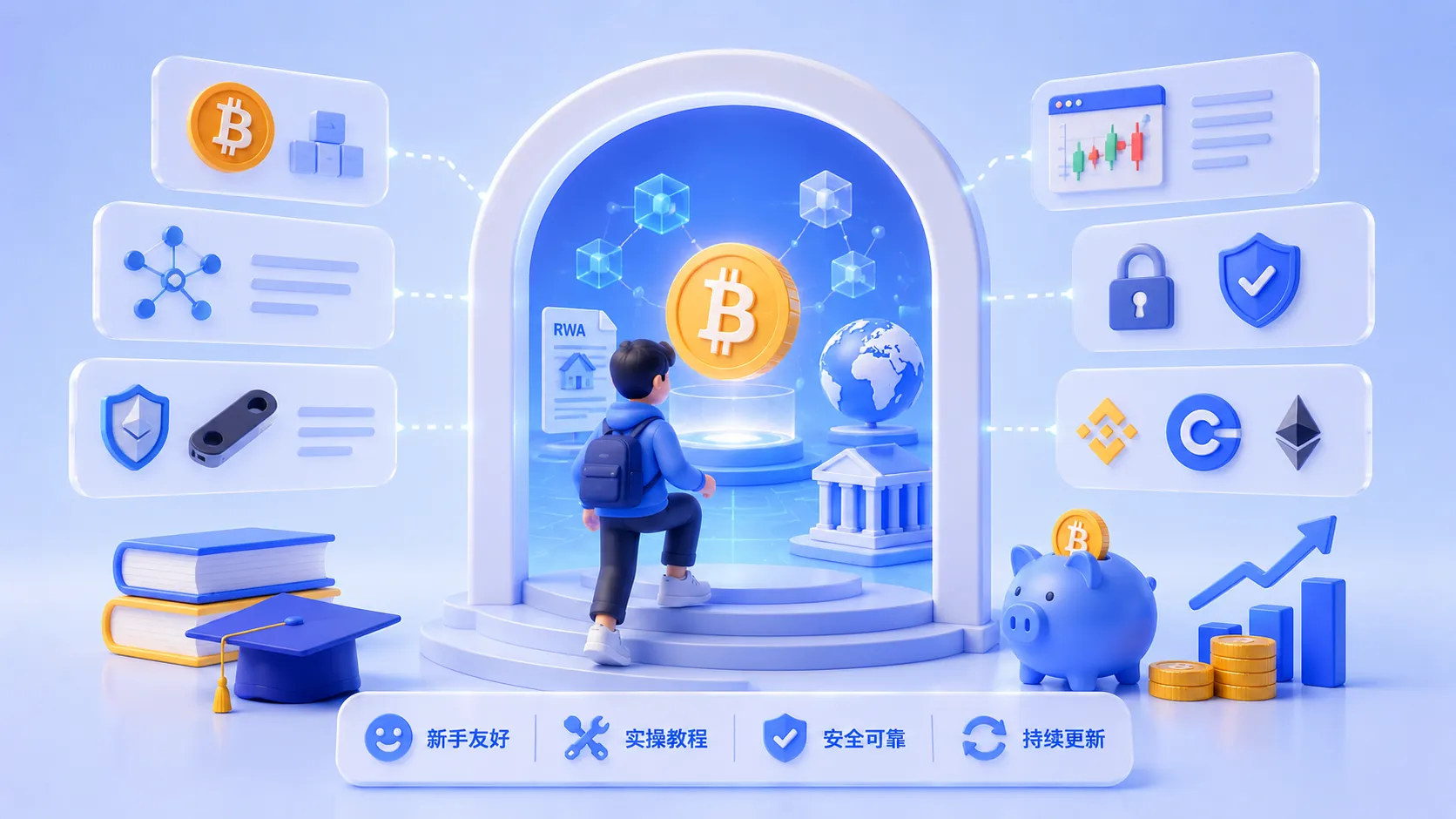
Beginner's Guide
Learn crypto basics and blockchain concepts from scratch — Bitcoin, how blockchain works, wallet security, exchange setup, DeFi essentials and Web3 basics.
Welcome to the world of cryptocurrency! This section is a complete learning path for absolute beginners. Whether you’re here because of Bitcoin’s price surge, blockchain technology’s potential, or a friend’s recommendation — this is the right place to start.
Understanding Cryptocurrency
Start with the fundamental concepts before making your first trade. Cryptocurrency is essentially a decentralized digital asset that doesn’t rely on any bank or government. It runs on blockchain technology — a public, transparent, and immutable distributed ledger.
🔥 Popular Coin Guides: What Each Coin Is & How to Buy
Besides Bitcoin, many people start by buying a specific coin. These guides walk through “what it is → how to buy → what to avoid” for individual coins:
US & HK Stock Trading
Want to buy US stocks but not sure where to start? Read this overview first:
Trading Basics & Risk Control
Once you’ve bought your first coins, the next step is understanding trading itself: order types, spot vs futures, and how to manage risk. This section is for beginners ready to start trading.
Frequently Asked Questions (FAQ)
How much money do I need to start buying crypto?
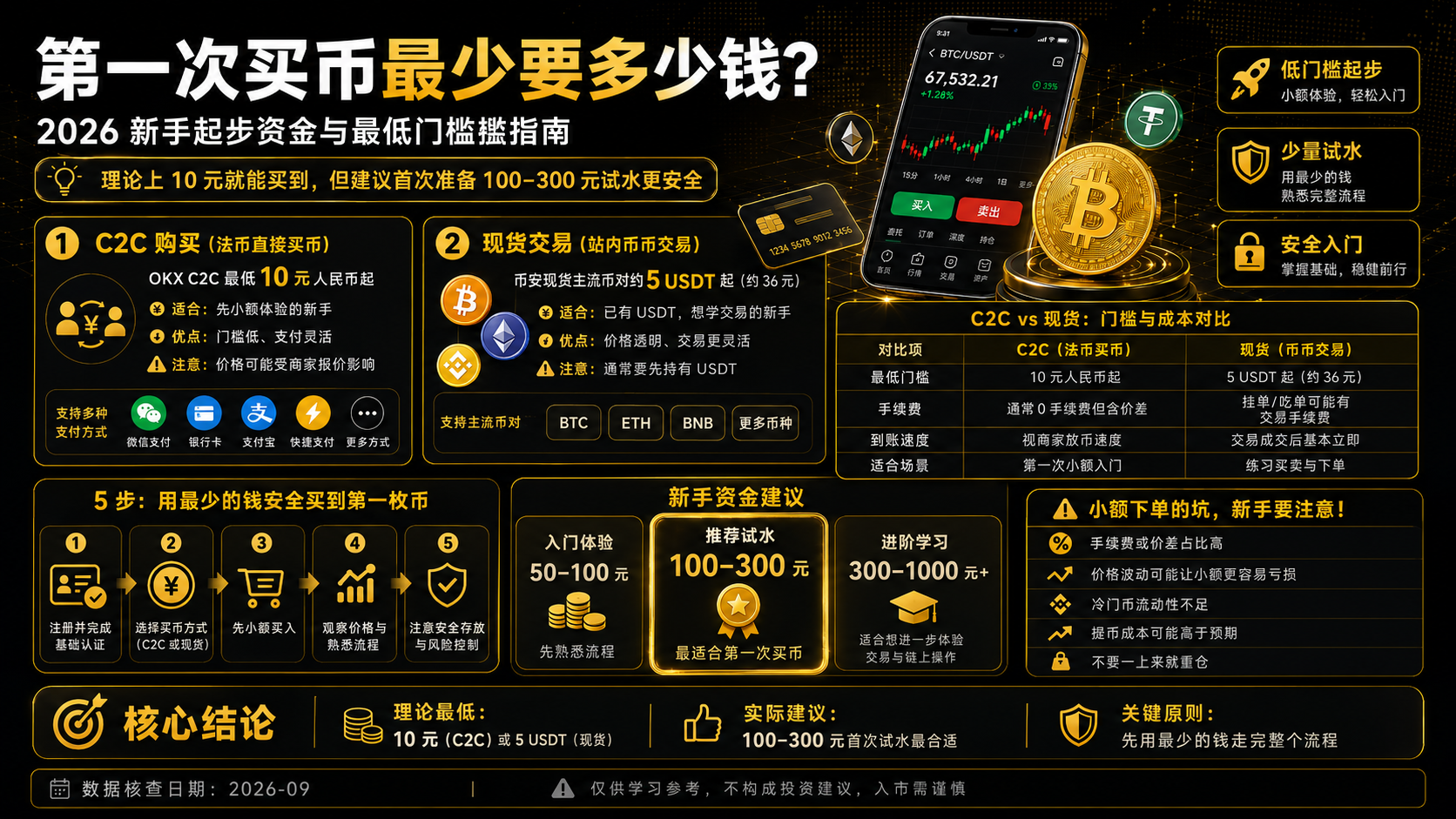
Not much at all. You can start buying cryptocurrency on exchanges with as little as a few dozen USDT — see How Much Money Do You Need to Buy Crypto for the First Time? for exact minimums and a first-budget recommendation. We recommend starting with a small amount to practice the process before considering larger investments.
Which exchange should beginners choose?
For most users, Binance and **** are the two most popular choices. Binance has the largest trading volume globally, while stands out with its Web3 wallet and copy trading features. We recommend registering on both and choosing based on your personal experience.
Do I need a hardware wallet?
If your crypto holdings exceed $1000, we strongly recommend purchasing a hardware wallet like Ledger or Trezor. For smaller amounts, you can safely use an exchange account or a hot wallet like MetaMask.
Is cryptocurrency investment safe?
Cryptocurrency itself is secure (built on cryptography and blockchain technology). Risks mainly come from: private key leaks, clicking phishing links, participating in scam projects, and falling for high-yield promises. Most risks can be avoided through systematic learning and cautious operations.
What is KYC and why do I need it?
KYC (Know Your Customer) is the identity verification process required by exchanges for regulatory compliance. Legitimate exchanges require KYC before you can deposit and trade. Always use your own real identity information — never buy or borrow someone else’s account.
更多相关文章
- What Is SUI? 2026 Beginner’s Guide to Buying, Token Unlocks and Real Risks — SUI is the Move-language Layer 1 built by Mysten Labs, known for its object model and parallel execution — but in October 2026 it trades near $0.90, about 83% below its $5.35 high. Using onchain data from October 31, 2026, this guide explains why only 41% of a 10 billion supply circulates, why FDV is 2.4x market cap, what the monthly unlocks and 71% staking ratio really mean, the gap between $460 million TVL and 60,000 daily active users, and the full path from buying on Binance to withdrawing on the Sui network and staking natively, plus six risks to check first.
- What Is Cardano (ADA)? 2026 Beginner’s Guide to Buying and Staking — What is Cardano, is ADA still worth buying in 2026, and how do you buy and stake it on Binance? Using DefiLlama, StakingRewards and onchain data, this guide explains why ADA’s price and usage diverged, what the 57% staking ratio really means, the Leios upgrade timeline, and the full path from signup to delegation — plus six risks to check first.
- What Is Pi Network? Is Mobile Mining a Real Opportunity or a Scam (2026) — What is Pi Network, is its mobile mining real, and is it still worth joining in 2026? Using October 2026 data, this guide explains how PI fell from $2.99 to about $0.08, the truth behind 60 million registrations versus only about 18 million KYC users, the ~6.5 million PI unlocked every day, and whether Pi is actually a scam.
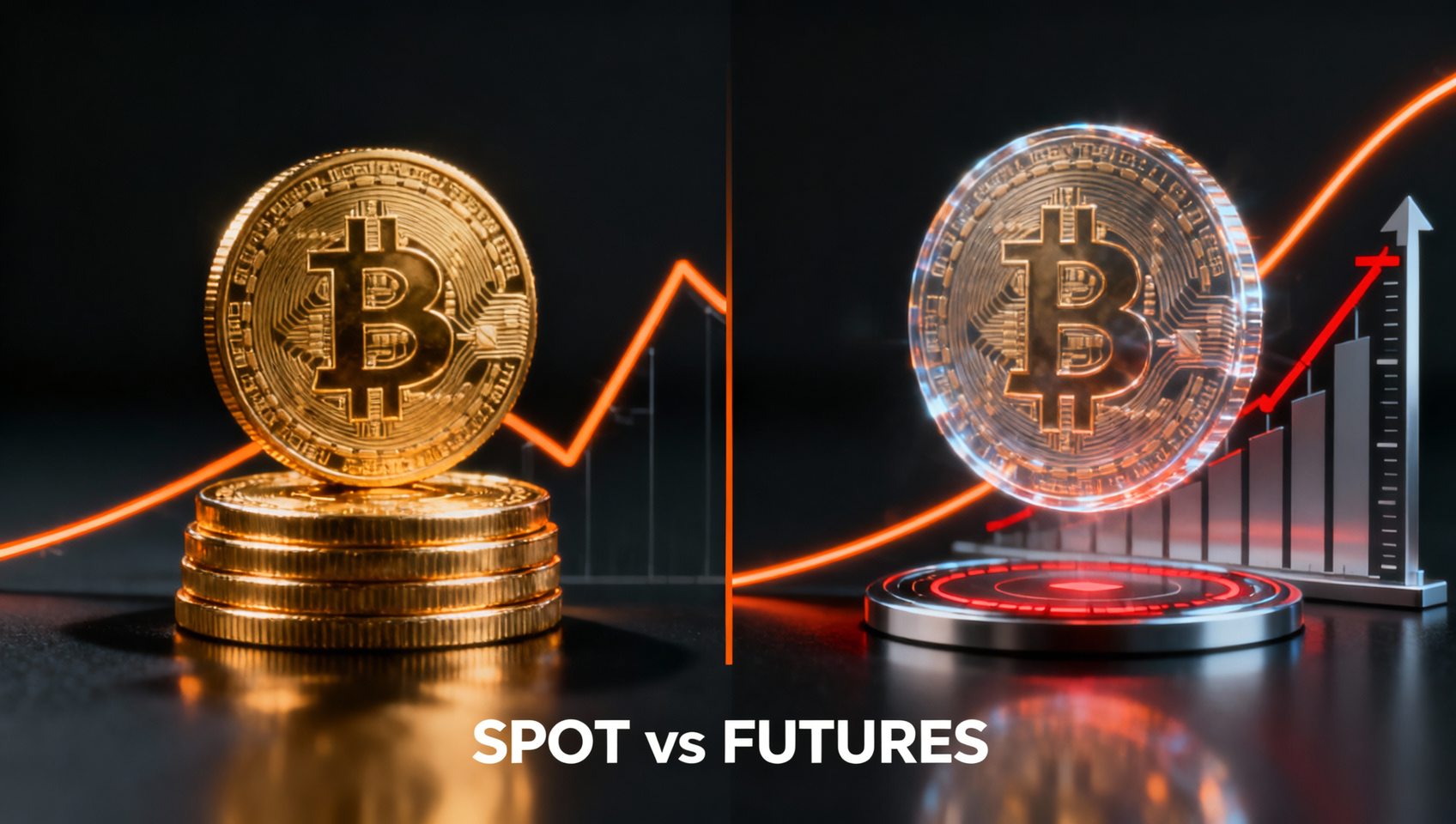
- Spot vs Futures: What’s the Difference? A 2026 Beginner’s Guide to Liquidation Price and Real Cost — Spot vs futures in 2026: the real difference is not leverage but whose side time is on. Using October 2026 data, this guide shows how leverage sets your liquidation price, what the $19 billion crash did to 1.6 million accounts, why funding rates quietly cost about 11% a year, and what happens to $1,000 three different ways.
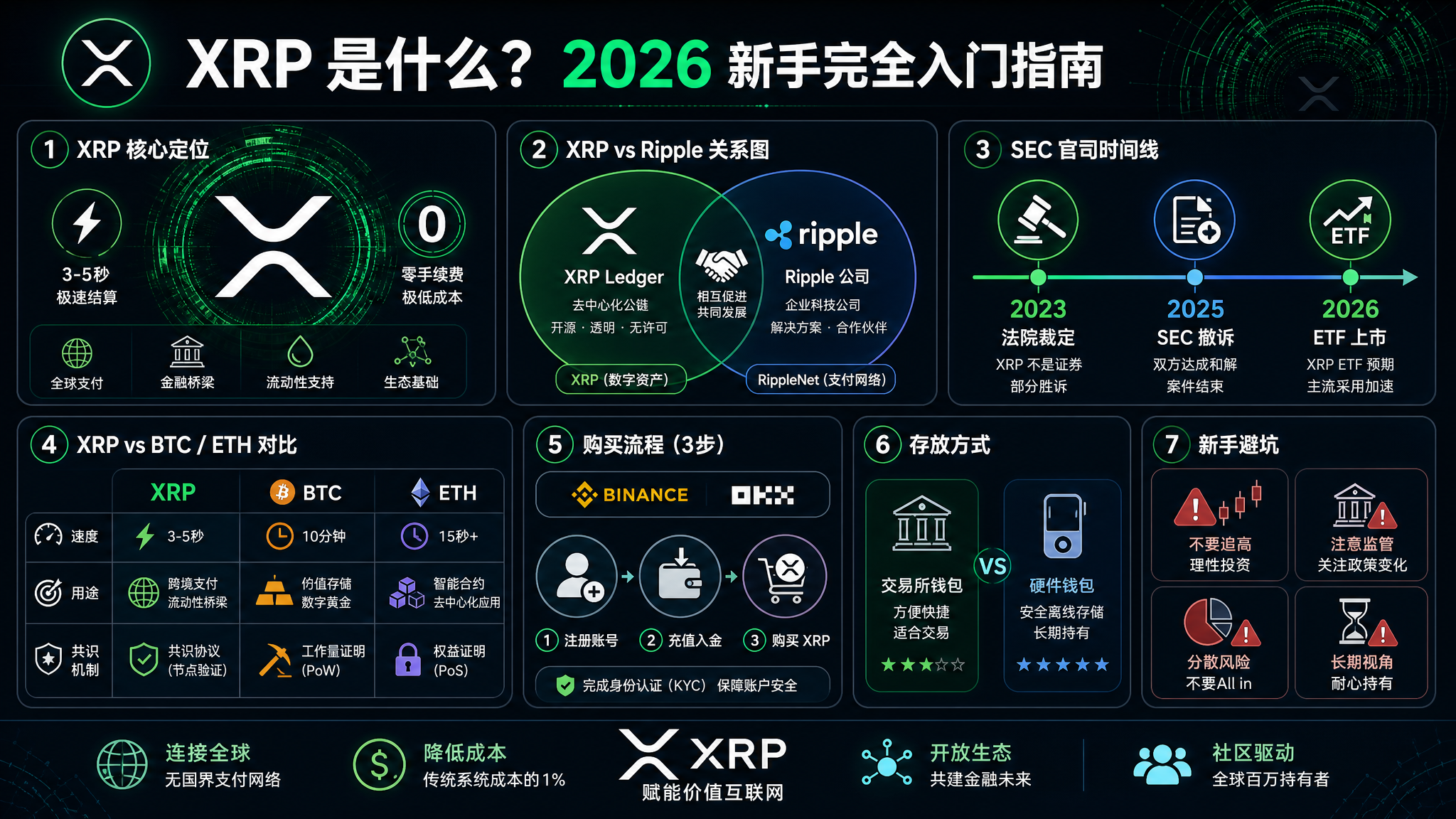
- What Is XRP? How to Buy It in 2026 — A Complete Beginner’s Guide — What is XRP, how is it related to Ripple, and how does an ordinary person buy it? Using October 2026 data, this guide explains how the XRP Ledger reaches consensus, the truth behind the 100 billion pre-mine and escrow releases, why winning the SEC case did not lift the price, and the full process of buying and withdrawing XRP on Binance.
- What Is Dogecoin (DOGE)? How to Buy It in 2026 — Beginner’s Guide — What is Dogecoin (DOGE), how do you buy it, and is it worth buying? A clear guide to its 2013 joke origins, unlimited inflationary supply, why the DOGE ETF didn’t push the price up, and the step-by-step way to buy Dogecoin on Binance.
- How Much Money Do You Need to Buy Crypto for the First Time? (2026) — There’s no single minimum to buy crypto: you can buy 0.00001 BTC, but Binance’s spot minimum order is about 5 USDT and C2C usually starts around 80–100 CNY. Here’s the real cost at each step and a sensible 100–300 CNY starting budget.