
📅 Updated July 2026 · Reading time approx. 6 minutes
📋 Key Takeaways
| # | Key Point |
|---|---|
| 🎯 | NFTs are not just images—they are digital ownership certificates on the blockchain. By 2026, they are widely used in digital art, music copyrights, gaming assets, and tokenization of physical assets |
| 📊 | The 2026 market shows a 'K-shaped recovery'—July total trading volume reached $574 million, blue-chip projects (CryptoPunks, BAYC) surged significantly, but 98% of small projects still lack liquidity |
| ⚠️ | Investment risks remain extremely high—market volatility is severe, scams are rampant. Beginners should start small and prioritize learning over speculation |
📑 Table of Contents
- What Exactly is NFT?
- How Does NFT Work?
- The Real State of the NFT Market in 2026
- What Are the Practical Uses of NFTs?
- Which NFT Projects Are Worth Watching in 2026?
- How Can Beginners Safely Buy Their First NFT?
- What Are the Risks of Buying NFTs?
- FAQ
What Exactly is NFT?
NFT stands for Non-Fungible Token. It sounds complex, but the core concept is simple:
An NFT is a unique digital ownership certificate on the blockchain.
For example: Downloading a picture of the Mona Lisa from the internet is completely different from owning the original painting. An NFT is that electronic certificate proving you 'own the original'—it is recorded on the blockchain, tamper-proof, non-replicable, and publicly verifiable.
Key differences from Bitcoin:
| Feature | Bitcoin (BTC) | NFT |
|---|---|---|
| Fungibility | 1 BTC = 1 BTC, identical | Each NFT is unique, non-fungible |
| Divisibility | Divisible to 8 decimal places | Usually indivisible (1 NFT = 1 complete work) |
| Use Case | Store of value, payments | Digital asset ownership, identity, credentials |
| Scarcity | Total supply 21 million | Set by project, from 1 to 10,000 pieces |
🔗 Further Reading: Want to understand blockchain basics? See our previous article: What is Blockchain? 2026 Beginner's One-Stop Guide
How Does NFT Work?
NFT operation relies on three core technical steps:
1. Minting
Creators upload digital works (images, music, videos, etc.) to an NFT marketplace, and through a smart contract, generate a unique NFT token on the blockchain. This process is called 'minting'—it turns a regular digital file into a verifiable asset on the blockchain.
2. Trading and Transfer
Each NFT has a unique contract address and Token ID. Once you purchase it, ownership of that NFT is recorded on the blockchain and directly transferred to your wallet address. Anyone can verify the complete transaction history of that NFT—from minting to every subsequent transfer.
3. Royalty Mechanism
This is one of the revolutionary features of NFTs. Most NFT smart contracts have built-in royalty mechanisms—each time an NFT is resold on the secondary market, the original creator automatically receives a percentage of the royalty (usually 5%-10%), without intermediaries.
Real Case: Pudgy Penguins, through NFT sales and IP licensing, has developed a full consumer product line, selling toys at major retailers like Walmart and Target, becoming one of the strongest Web3 brands in 2026.
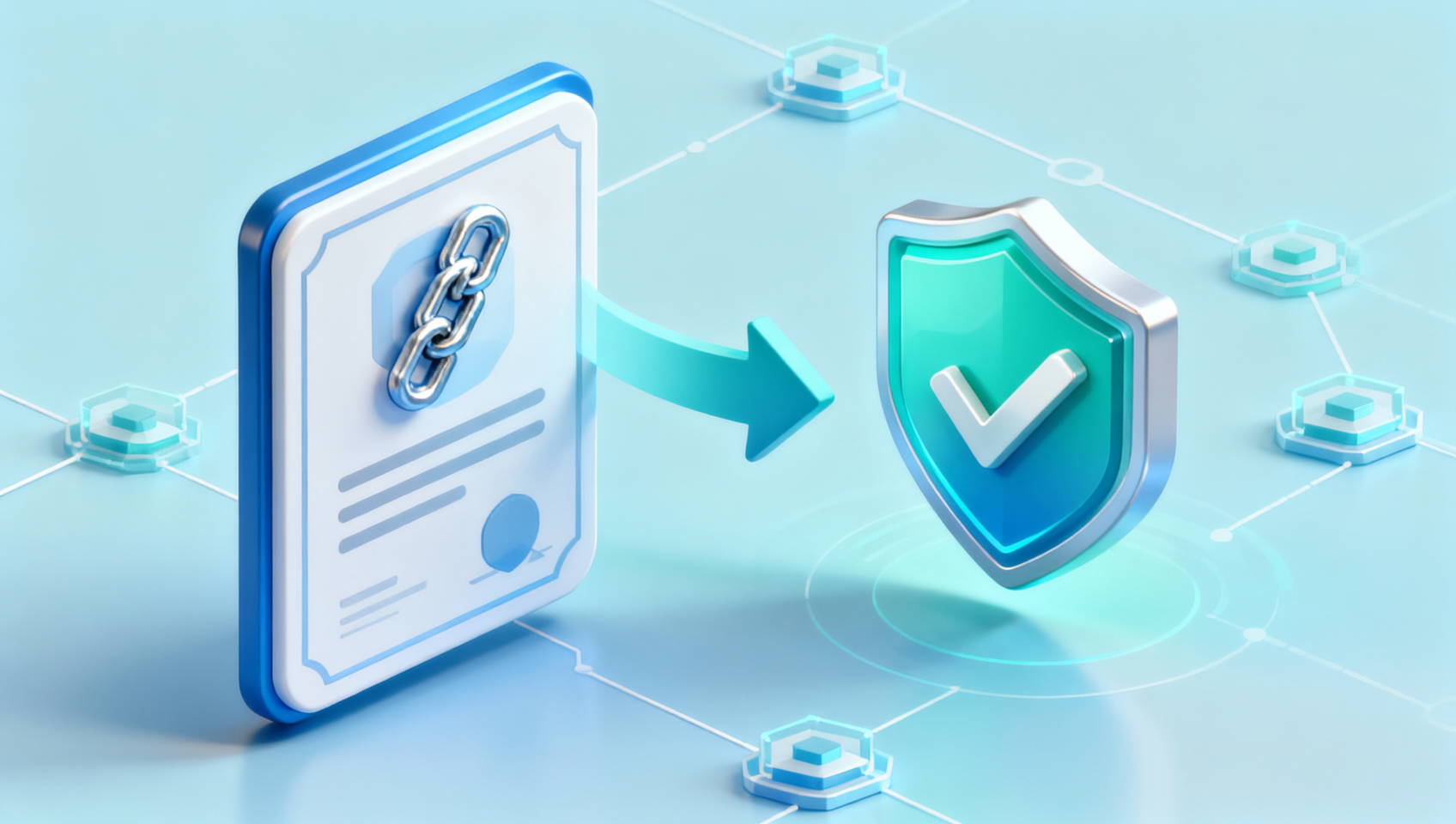
▲ Illustration of NFT minting, trading, and royalty mechanism
The Real State of the NFT Market in 2026
Overall Data
After a deep correction from 2022-2024, the NFT market showed clear recovery signals in 2026:
| Metric | Value | Change |
|---|---|---|
| July Monthly Trading Volume | $574 million | +47.6% (month-over-month) |
| Weekly NFT Buyers | 91,290 people | +235% |
| Average Transaction Size | $113 | 6-month high |
| Total Market Cap | Exceeded $2 billion | First time since January 2026 |
(Data source: CoinMarketCap, CryptoSlam, July 2026)
'K-Shaped Recovery': Matthew Effect Intensifies
These numbers look impressive, but behind them is a harsh reality—the market is experiencing a polarized 'K-shaped recovery':
- Top 1-2% of blue-chip projects → Significant recovery
- Remaining 98% of projects → Stagnant trading, prices near zero
Typical blue-chip project gains (as of May 2026):
| Project | Floor Price (approx.) | 30-Day Gain |
|---|---|---|
| Bored Ape Yacht Club (BAYC) | ~$25,150 (≈10 ETH) | +75.9% |
| CryptoPunks | ~$73,200 (≈28.9 ETH) | +17% |
| Pudgy Penguins | ~$12,900 | +35% |
| Mutant Ape Yacht Club (MAYC) | ~$3,960 | +164% |
| Azuki | — | +35% |
(Data source: KuCoin, CoinDesk, May 2026)
This means: If you don't pick the right project, the market recovery won't affect you. Beginners blindly buying small-cap or dead NFT projects may face near-total losses.
Three Major Trends
- Bitcoin NFT Rise: BRC-20/Ordinals ecosystem is growing rapidly, with weekly trading volume (
$10.78 million) approaching Ethereum's ($11.13 million) - TON Chain Emerges: TON has become the 2nd largest NFT public chain, surpassing Solana and Base, with Telegram's 950 million user base as huge potential
- Brand Collaborations Become Normal: Doodles×G-Shock co-branded watches, Pudgy Penguins supermarket toys—NFT brands are going offline
▲ Trend pattern of K-shaped recovery in the 2026 NFT market
What Are the Practical Uses of NFTs?
By 2026, NFT applications have far exceeded 'profile pictures'—here are several main directions:
| Use Case | Description | Real Example |
|---|---|---|
| 🎨 Digital Art | Blockchain verification, creators sell directly to collectors | Art Blocks, SuperRare, Foundation |
| 🎵 Music Copyrights | Automatic royalty distribution, no need for record label intermediaries | Sound.xyz, Royal |
| 🎮 Gaming Assets | Truly own in-game items, tradable across platforms | Parallel, Mocaverse |
| 🎫 Event Tickets | Anti-counterfeit, anti-scalping, automatic secondary resale splits | Increasingly adopted by concerts/events |
| 🏠 Tokenization of Physical Assets | Fractional ownership of real estate, collectibles, etc. | Courtyard (tokenization of physical collectibles) |
| 🆔 Digital Identity | Membership credentials, on-chain credit records | Soulbound Token (non-transferable NFT) |
Which NFT Projects Are Worth Watching in 2026?
Based on comprehensive evaluations from Binance Research and multiple data platforms, here are projects worth watching in 2026:
| Project | Chain | Core Highlight |
|---|---|---|
| Pudgy Penguins | Ethereum | Strongest consumer brand (sold at Walmart/Target), animated series upcoming |
| CryptoPunks | Ethereum | 'Digital gold' of NFTs, collected by museums like MoMA |
| Bored Ape Yacht Club | Ethereum | Largest brand recognition, strategic transformation underway with new CEO |
| Courtyard | Polygon | Innovation in tokenization of physical collectibles, weekly trading volume $7.39 million |
| Doginal Dogs | Dogecoin | Only project still hitting new highs, on-chain trading volume exceeds $1 billion |
⚠️ Important Note: The above is for informational purposes only, not investment advice. The NFT market is highly volatile; please do thorough research before investing and avoid chasing highs.
How Can Beginners Safely Buy Their First NFT?
Recommended Entry Path
Hardware Wallet → MetaMask/Phantom → Mainstream Exchange (Deposit) → Small Test Trade
Specific Steps
- Prepare Wallet: Download MetaMask (Ethereum-based) or Phantom (Solana-based), securely save seed phrase
- Deposit Funds: Buy ETH or SOL on exchanges like Binance or OKX, withdraw to wallet
- Choose Marketplace: OpenSea (largest comprehensive platform), Magic Eden (Bitcoin/Solana focused), Blur (professional trading)
- Start Small: First buy a low-priced (<$50) NFT from a well-known project to get familiar with the process
- Safety First: Always use bookmarks to open official links, do not click any private message links
What Are the Risks of Buying NFTs?
| Risk Type | Description | Prevention |
|---|---|---|
| 🎣 Phishing Sites | Most common attack, fake sites clone real marketplaces | Use bookmarks, double-check domain |
| 🏃 Rug Pull | Project team runs away with funds | Check team, audit, lock-up before investing |
| 📉 Price Crash | 80%+ drops are common | Only invest money you can afford to lose |
| 🔒 Liquidity Drying Up | Orders sit for months without buyers | Only buy well-known projects with daily trading volume |
| 🕸️ Contract Approval Vulnerability | Malicious contracts can drain wallet | Revoke unnecessary approvals immediately after trading |
| 📋 Regulatory Risk | Different countries have different tax policies for NFTs | Keep transaction records, consult tax experts |
FAQ
Q1: What is the difference between buying an NFT and downloading an image?
Downloading an image is just copying a file, with no proof of ownership. Buying an NFT means there is a record on the blockchain proving you own the 'original' of that digital asset. It's like you can print a picture of the Mona Lisa and put it on your wall, but the real original is only at the Louvre.
Q2: Is NFT still worth investing in 2026?
It depends on your definition of 'investment'. For short-term speculation, NFT prices are highly volatile, with risks far greater than cryptocurrencies themselves. If you are optimistic about the development potential of Web3 and digital ownership, and are willing to test the waters with small amounts in a research and learning mindset, the NFT market is currently in a value discovery phase after the bubble has cleared.
Q3: How much capital do I need to invest in NFTs?
You can start from as little as a few tens of dollars. Platforms like OpenSea have many low-priced NFTs, but note that low prices usually mean low liquidity. It's recommended for beginners to spend $50-100 first to get familiar with the process.
Q4: How to judge if an NFT project is reliable?
Evaluation framework: Is there a public team? Has it been audited? Is the community active? Where is the actual product? If a project has only marketing but no product, or an anonymous team with surging prices, these are red flags.
Q5: Can I sell the NFT I bought?
Not necessarily. Liquidity is one of the biggest issues in the NFT market. In 2026, out of 1,700+ tracked projects, only 72 had weekly trading volumes exceeding five figures. Before buying an NFT, think clearly: Can you find a buyer?
Further Reading
- 🔗 On-Chain Guide — Blockchain and Web3 Introduction
- 📖 What is Blockchain? 2026 Beginner's One-Stop Guide
- 📖 Crypto Beginner's First Step: Starting from Zero
免责声明:本文内容仅供学习参考,不构成投资建议。加密货币和NFT投资有极高风险,价格可能归零,请根据自身情况谨慎决策,切勿投入超过可承受损失的金额。