Stablecoin
Complete stablecoin guide — USDT, USDC and DAI. How each maintains its dollar peg, collateral mechanisms, yield strategies and risks.
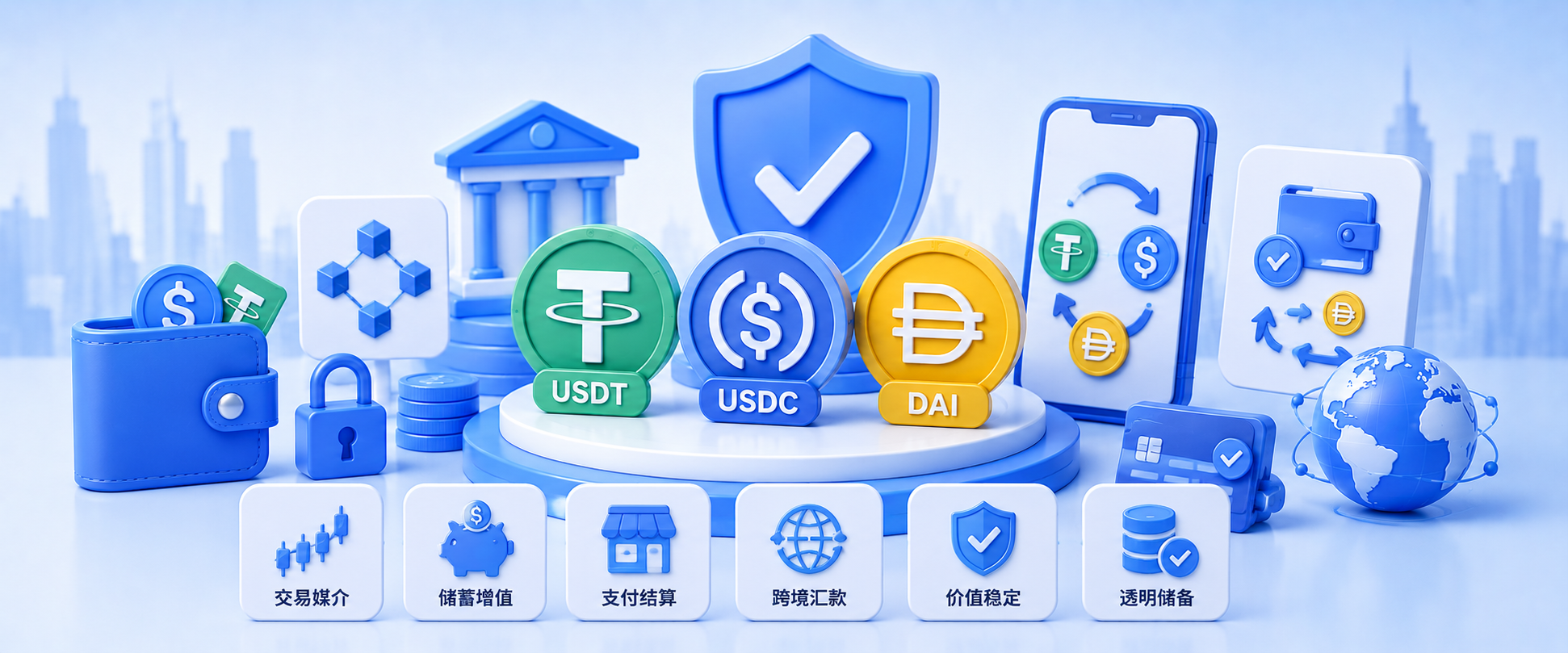
Stablecoins are the infrastructure of cryptocurrency markets. Pegged to fiat currency (usually USD), they provide a way to maintain value stability in the volatile crypto market. Whether for trading, earning, or cross-border payments, stablecoins are essential.
Stablecoin Guide
- Stablecoin Complete Guide: USDT vs USDC vs DAI — Issuance mechanisms, risk comparison, and usage tips
Deep Comparison
- USDT vs USDC 2026 Deep Comparison — Reserve transparency, regulatory compliance, and audit analysis
Regulation
- Stablecoin Regulation 2026: How MiCA & the GENIUS Act Reshape USDT and USDC — EU MiCA in full force since July 1 and the U.S. GENIUS Act effective January 2027 — how both frameworks change the USDT vs USDC landscape
Stablecoin Yield
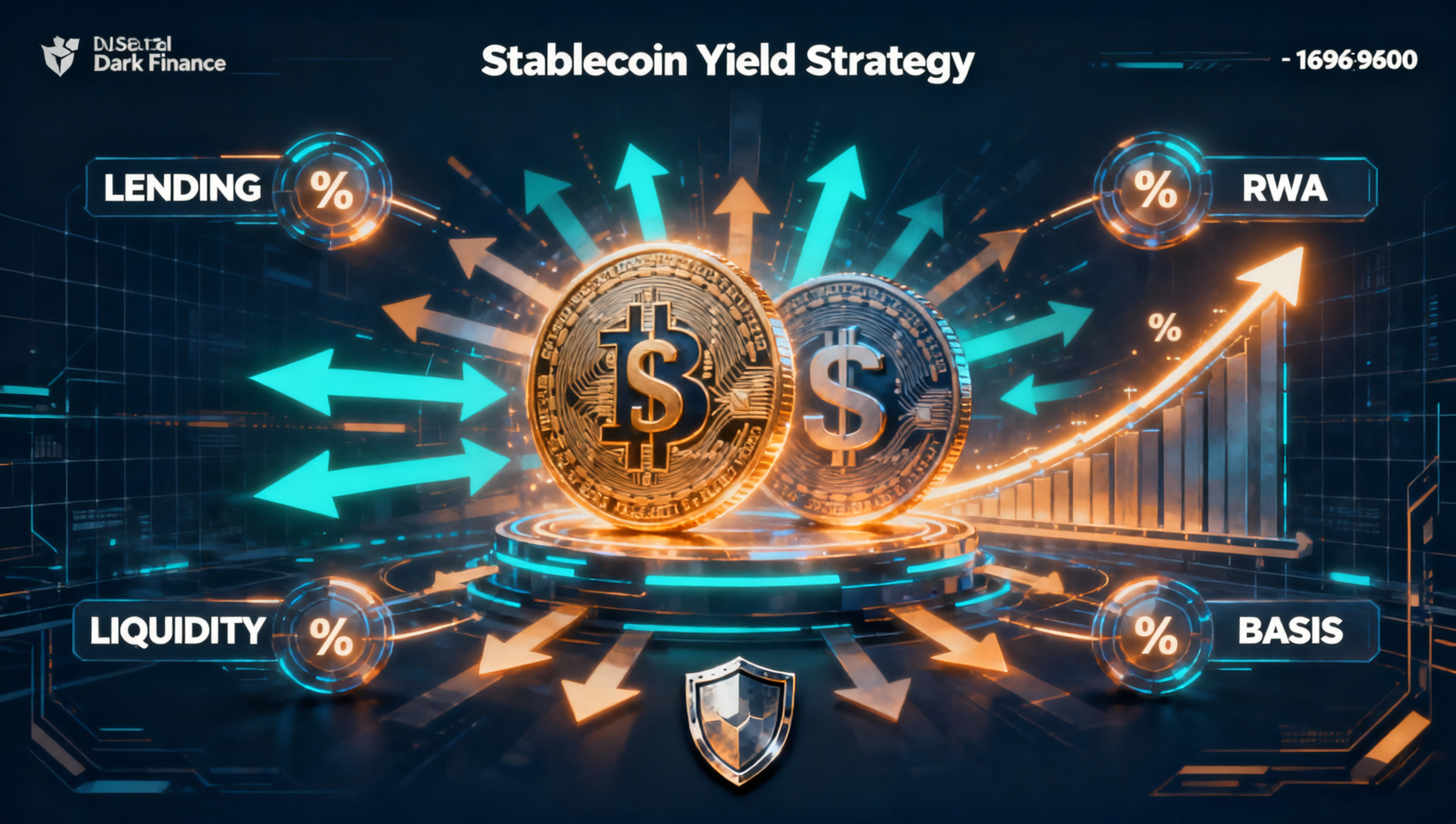
- Stablecoin Yield Strategy 2026: Where to Earn Interest on USDT & USDC — Five ways to earn on stablecoins (exchange earn, DeFi lending, liquidity pools, synthetic dollars, RWA) with yields and risks compared
Cross-Chain Bridging
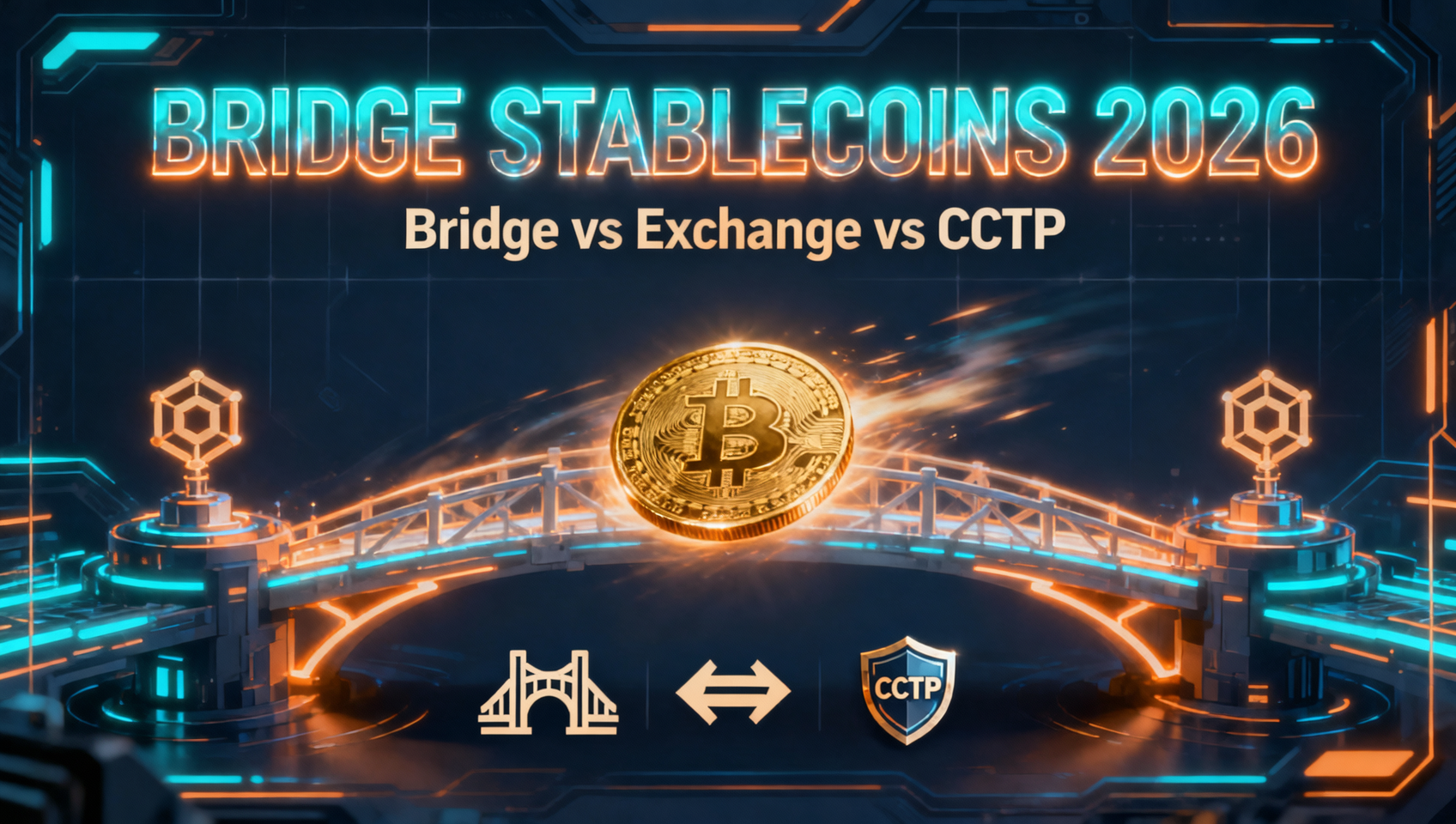
- How to Bridge Stablecoins Across Chains: Bridge vs Exchange vs CCTP — Bridging isn’t just bridges: three methods compared, and why wrapped stablecoins aren’t real stablecoins
Frequently Asked Questions (FAQ)
What are stablecoins and why are they needed?
Stablecoins are cryptocurrencies pegged 1:1 to fiat currency (usually USD) that solve the problem of crypto’s extreme price volatility. They give users a way to hold stable value in a volatile market — as a unit of account for trading, a safe-haven asset, or a medium for cross-border transfers. Stablecoins are the infrastructure of the crypto market.
What’s the difference between USDT, USDC, and DAI?
USDT (Tether) has the largest issuance and widest acceptance, but its reserve transparency has been questioned. USDC (Circle) emphasizes compliance and transparency with strict audits and regulation. DAI (MakerDAO) is a decentralized stablecoin generated through over-collateralization of crypto assets like ETH, without a centralized issuer. Their reserve mechanisms, regulation, and use cases differ.
Are stablecoins really 100% safe? Can they depeg?
Stablecoins still carry risk. Centralized ones (USDT/USDC) have reserve and custody risk; decentralized ones (DAI) have collateral price and liquidation risk. There have been depegs in history (the 2022 UST collapse, a brief USDC depeg). Mitigation: hold across multiple coins, follow reserve audit reports, and avoid stablecoins with opaque mechanisms.
Which stablecoin should I choose?
It depends on your needs: daily trading and earning → USDT (widest acceptance); compliance and transparency → USDC; DeFi ecosystem participation → DAI. Many users diversify across them to reduce single-issuer risk. Also consider regulatory differences for stablecoins in your region.
What can stablecoins be used for?
Main uses: ① Trading and hedging — move assets into stablecoins during downtrends; ② Earning yield — deposit into lending protocols or earning platforms for interest; ③ Cross-border transfers — fast, low-cost international payments; ④ As an on-ramp bridge — buy USDT first, then convert to other coins. They’re an indispensable part of crypto trading and workflows.
Why do stablecoins sometimes drift from $1?
Slight deviations around $1 are normal, driven by supply and demand and market liquidity. Surges in buying can push the price to $1.01; selling can pull it to $0.99. A real “depeg” is a significant, sustained deviation (e.g. below $0.90), usually tied to a reserve crisis or market panic — that’s when you should be cautious.