Exchanges
Complete Binance and OKX tutorials: registration, KYC verification, spot and futures trading, fee rebates, deposits, withdrawals and API integration.
Cryptocurrency exchanges are the gateway to the digital asset world. Whether you want to buy Bitcoin, trade Ethereum, or participate in DeFi, you need an exchange. This section covers the major exchange tutorials.
Core Tutorials
- Binance Registration Guide: Account Setup & KYC — Complete registration guide for the world’s largest exchange
- Binance Deposit Guide: C2C & On-Chain Deposit — Multiple ways to fund your account
- Binance Spot Trading Guide — Learn basic spot trading operations
- Binance Futures Trading Guide — Understanding contract trading and risk management
Trading Strategies & Advanced
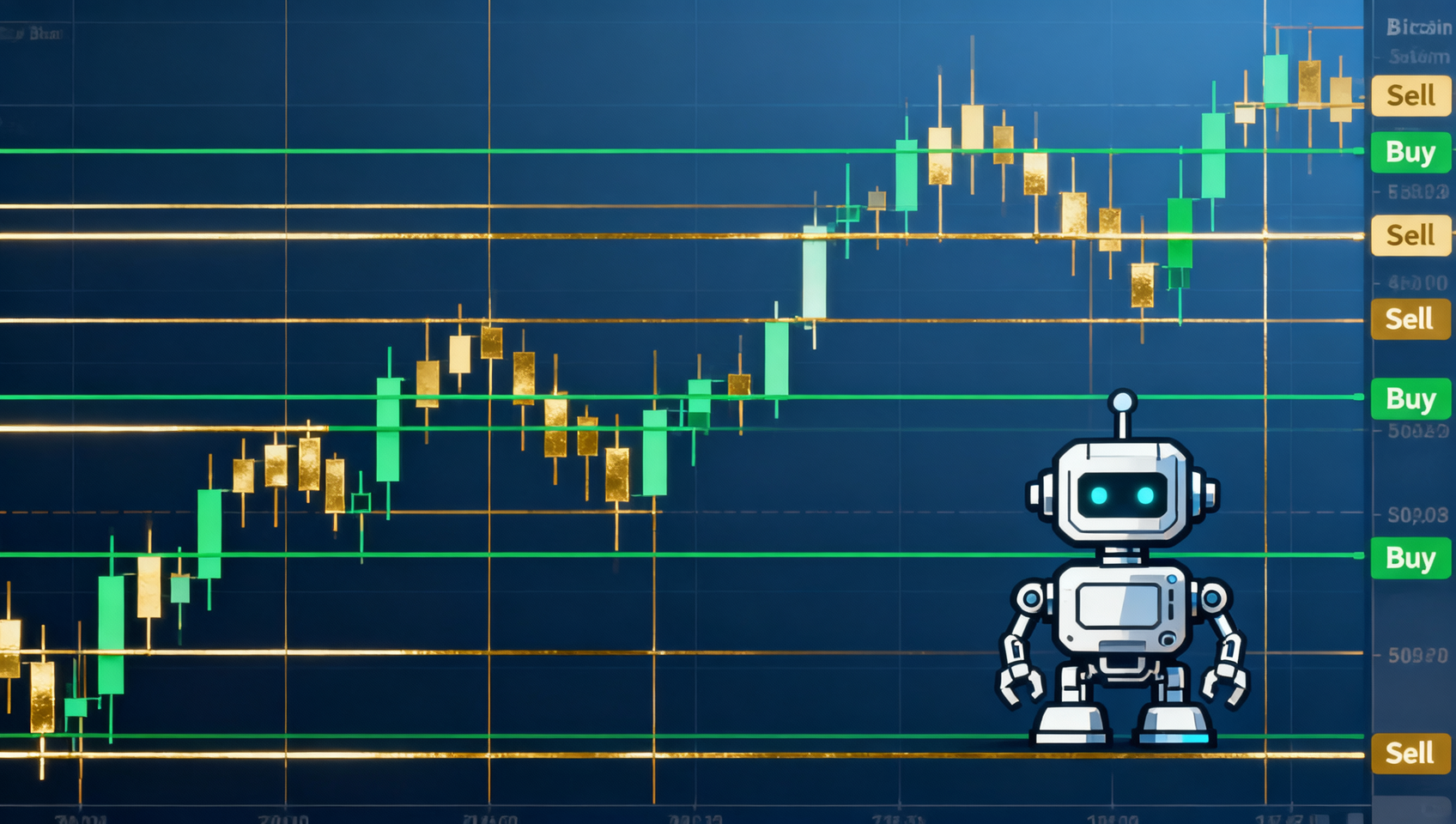
- Binance Grid Trading Guide — Automate buy-low-sell-high in ranging markets
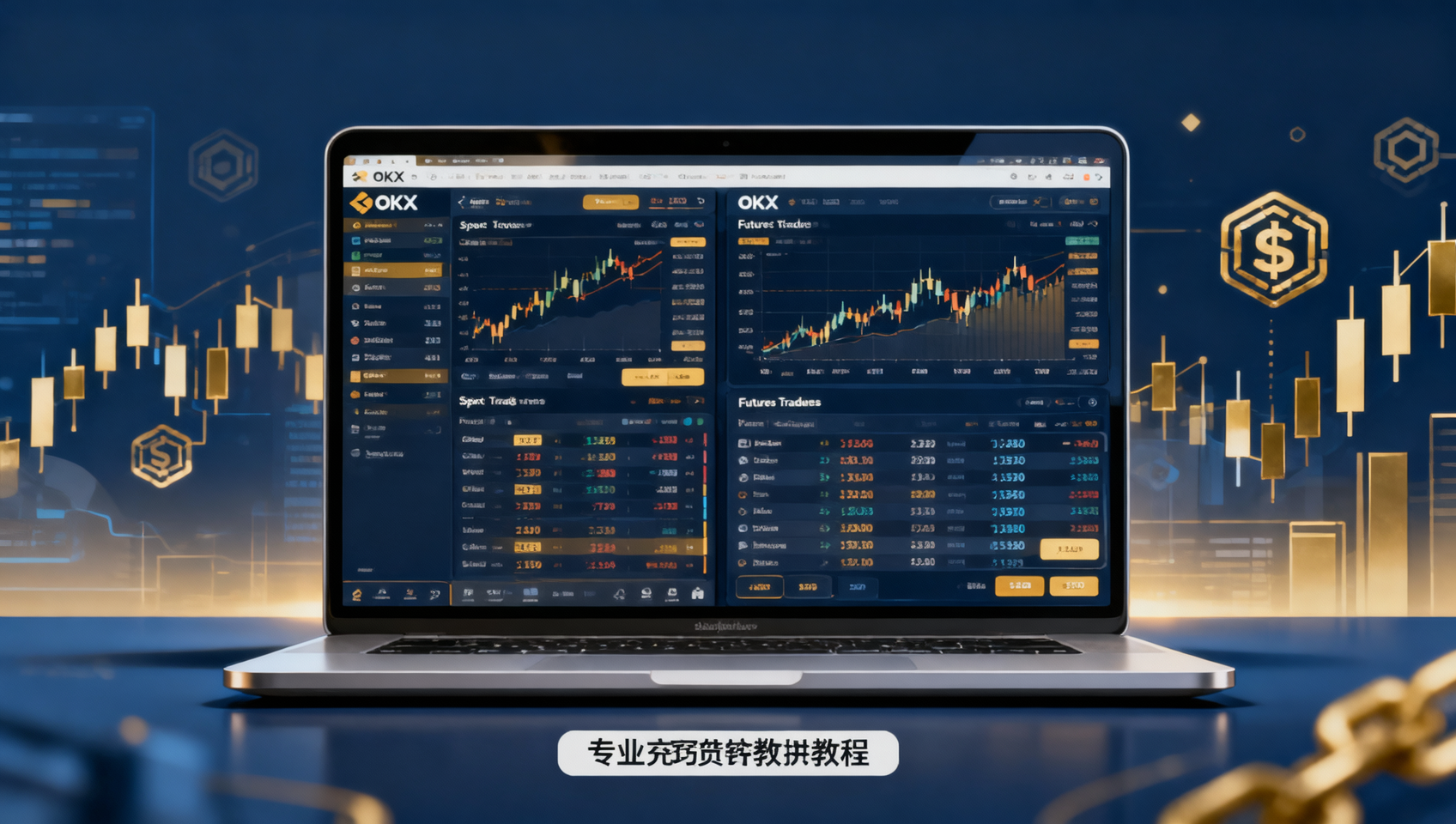
- OKX Trading Guide: Spot & Futures — Complete OKX trading operations guide
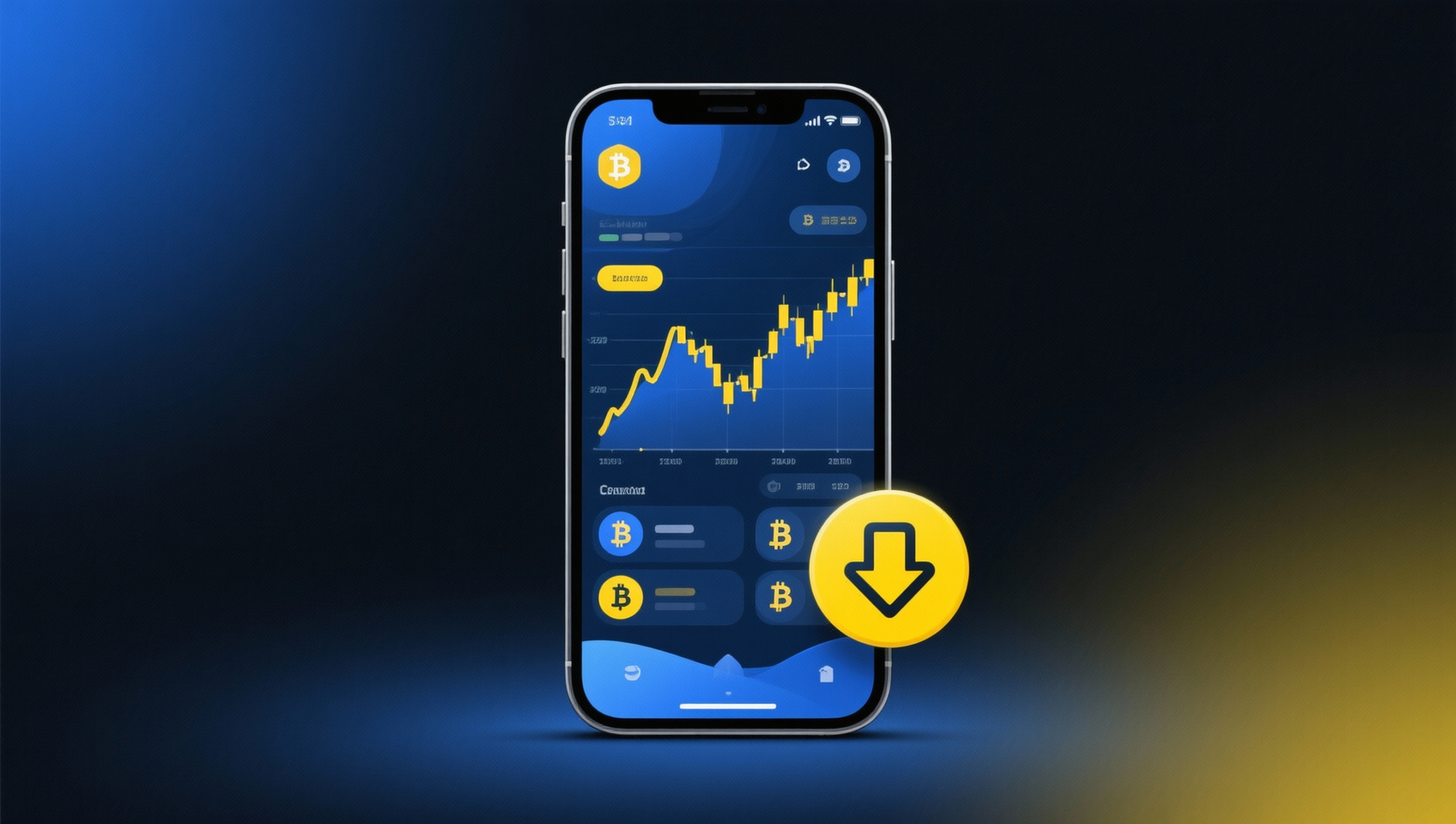
- Binance App Download & Setup — Mobile trading guide
Exchange Comparisons
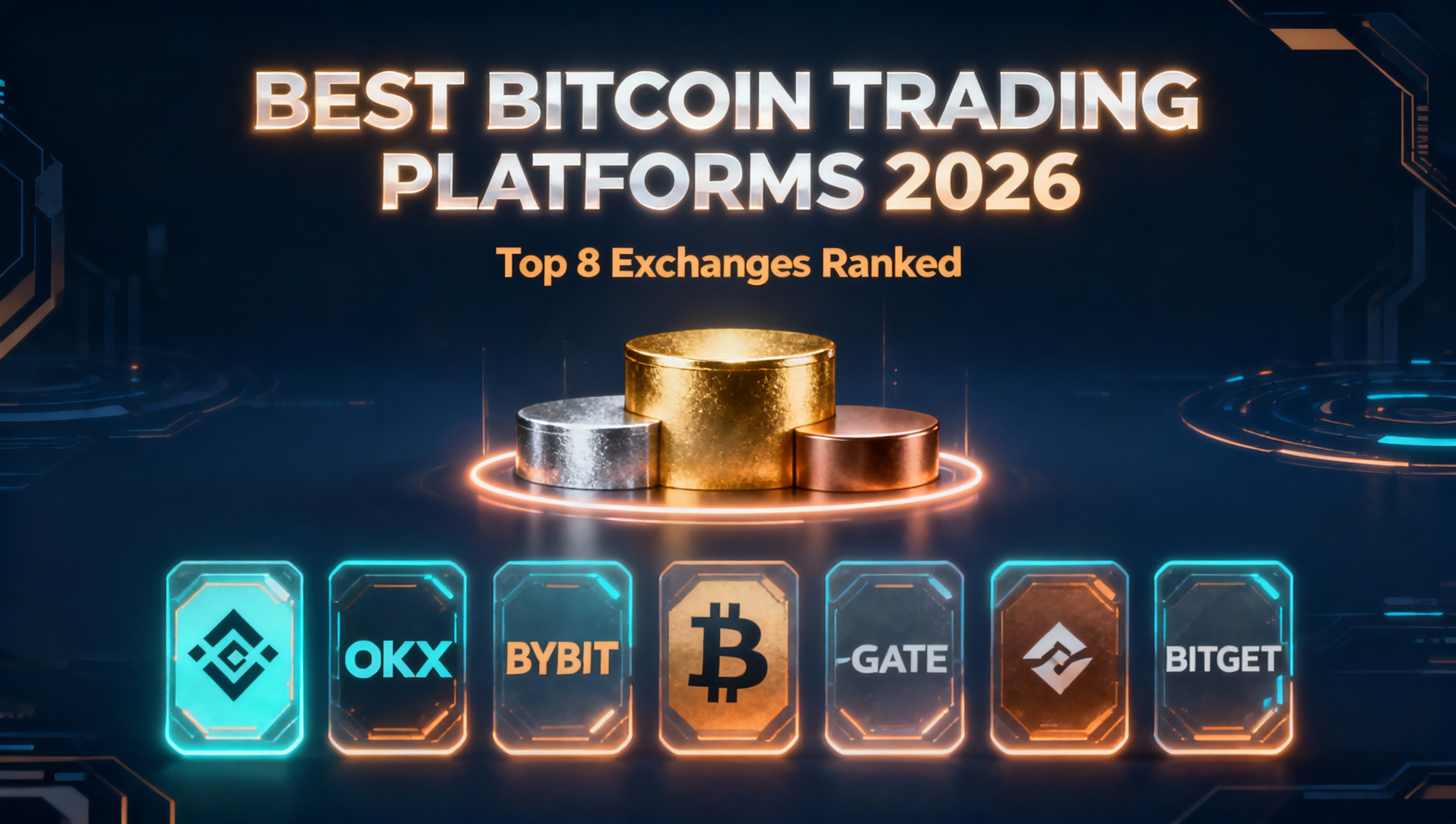
- Best Bitcoin Trading Platforms 2026: Top 8 Exchanges Ranked — A ranking of Binance, OKX, Bybit and 5 more by volume, fees and security, with real fee math and a needs-based decision table
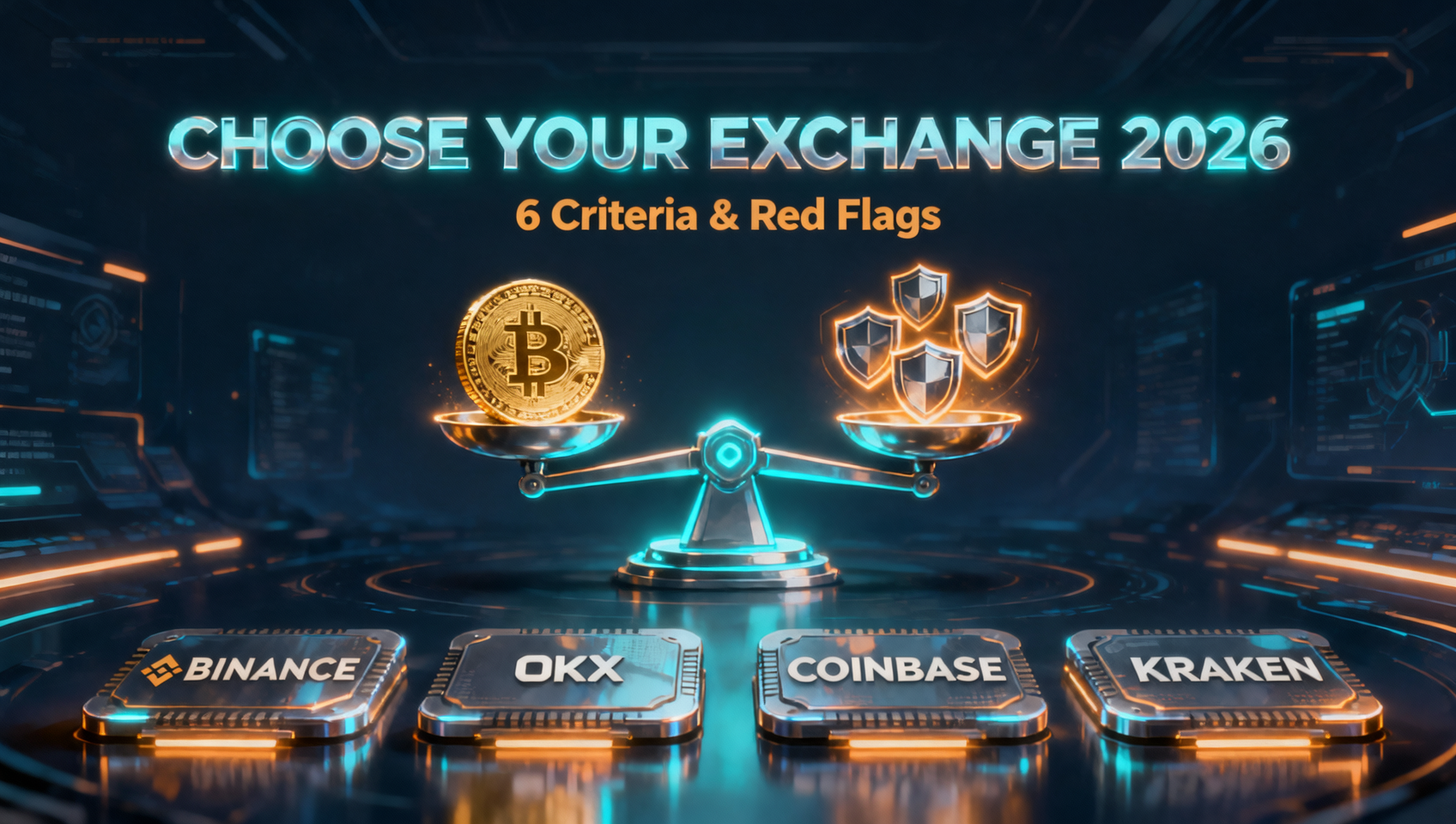
- How to Choose a Crypto Exchange in 2026: 6 Criteria & Red Flags — A reusable decision framework: six criteria, a region-by-need decision table, and real fee math that exposes the two-tier trap
- Binance vs Coinbase 2026 Comparison — Global volume king vs US-regulated leader: fees, safety, coins, and a geography-first decision table
- Binance vs OKX 2026 Comprehensive Comparison — Detailed comparison of fees, security, coins, and compliance
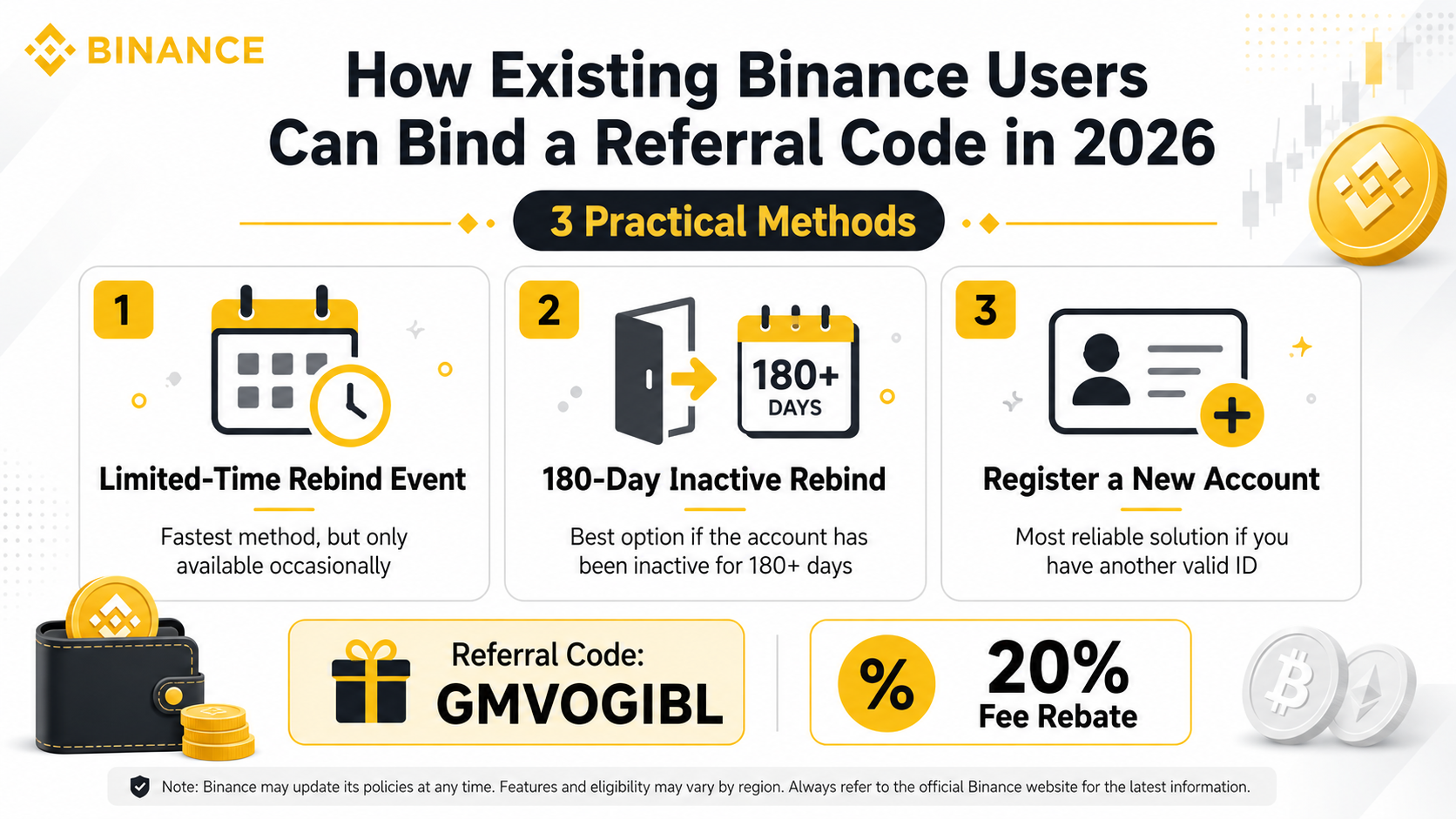
- Exchange Rebate Comparison: Binance vs OKX — Save on trading fees with referral code strategies
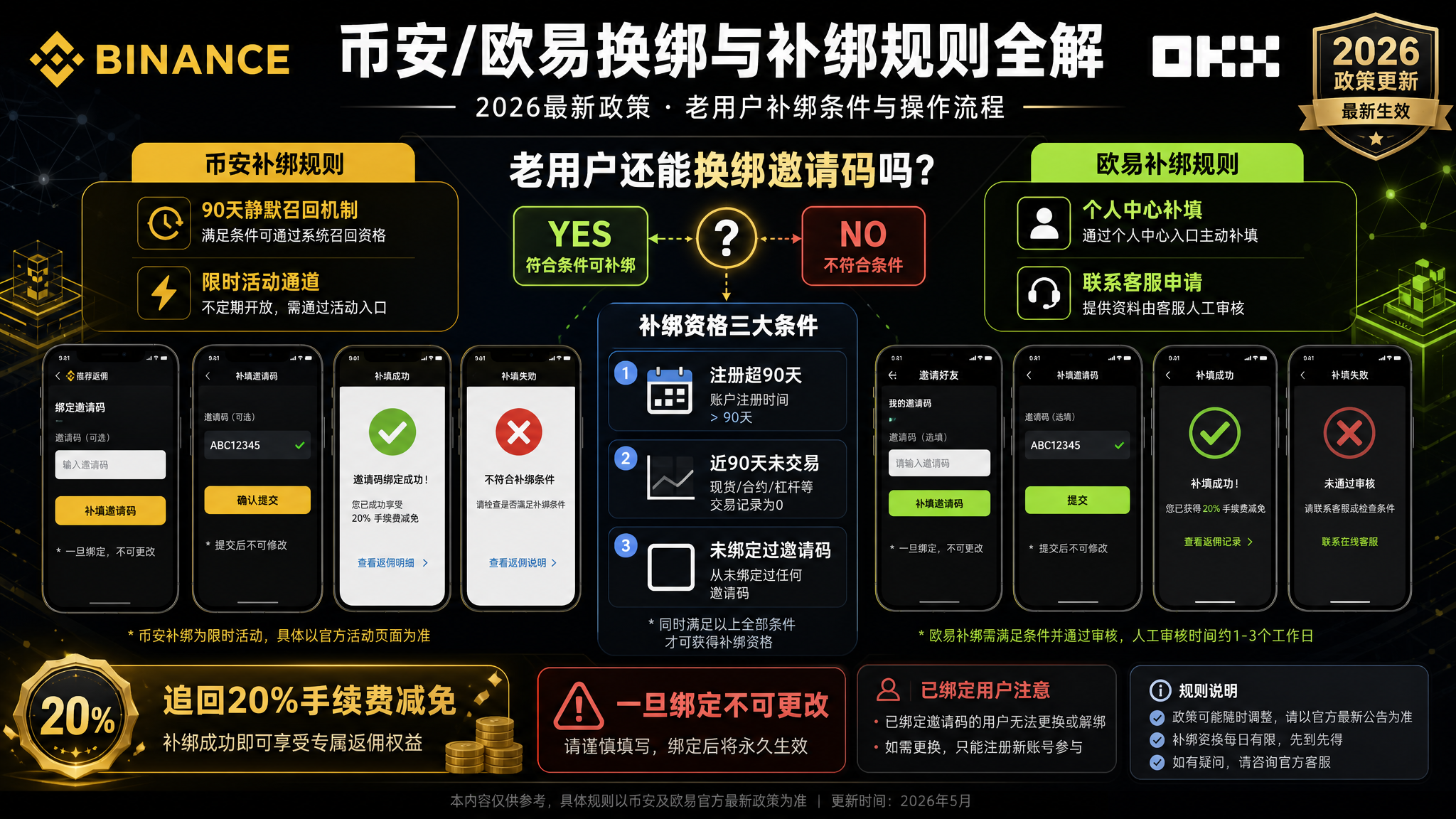
- Change Referral Code: Binance vs OKX 2026 Rules — Can existing users rebind or add a referral code? Dual-platform rules explained
- Coinbase vs Kraken vs Gemini 2026: US-Compliant Exchanges — Fees, safety, coins, and a match-your-needs decision table
Frequently Asked Questions (FAQ)
What should beginners look for when choosing an exchange?
Five key dimensions: ① Security (audited, insurance fund, security track record); ② Compliance (local licenses, KYC requirements); ③ Liquidity and depth (high volume, thick order books, low slippage); ④ Fee rates (spot/futures fees and whether platform tokens reduce them); ⑤ User experience (app quality, deposit options). For Chinese-speaking users, Binance and OKX are the two mainstream choices.
Binance or OKX — which should I choose?
Binance is the world’s largest exchange by volume, with the widest coin coverage, complete ecosystem, and the most thorough beginner tutorials and support. OKX stands out in copy trading, trading bots, and its built-in Web3 wallet. In short: pick Binance for one-stop convenience and breadth; pick OKX if you value copy trading/bots/Web3 wallet features. You can also register on both and compare real experience. See the Binance vs OKX comparison.
Do exchanges require KYC?
Yes. Compliant exchanges require KYC (identity verification) before deposits and trading — this is required by anti-money-laundering regulation. You’ll submit ID (passport/ID card) and complete facial recognition in the app. Always use your own real identity — never buy or borrow someone else’s account or you risk account freezes and fund loss.
What are spot and futures trading?
Spot trading buys and sells real cryptocurrency directly — the coins are yours, suitable for beginners. Futures trading is margin trading that uses leverage to amplify both gains and losses (possible liquidation) — higher risk, for experienced traders. Beginners should start with spot, understand the market first, then consider futures — and never use more capital than you can afford to lose.
Which has lower fees, Binance or OKX?
Both have similar base rates (spot ~0.1%), with reduction options: ① use a referral code at registration for rebates; ② pay fees with platform tokens (BNB/OKB); ③ raise VIP tier or trading volume. See the rebate comparison guide for details. Which is more cost-effective depends on your trading habits and platform token holdings.
Is it safe to keep assets on an exchange? How do I protect them?
Short-term trading on an exchange is convenient, but carries platform risk (hacks, insolvency, freezes). To protect: ① Enable 2FA and use a strong password; ② Use only official apps/websites and beware phishing; ③ Move large, long-term holdings to a self-custody wallet (especially hardware); ④ Check account activity regularly and freeze immediately if you spot anomalies.
更多相关文章
- Bind Binance Code BINANBT: 20% Rebate for Existing Users — Complete 2026 guide for existing Binance users to bind the referral code BINANBT for 20% fee rebate. Three methods explained: limited-time rebinding, 180-day inactive rebinding, and new identity registration. FAQ included.