Ethereum
Comprehensive Ethereum guide — smart contracts, the EVM, ERC token standards, ETH 2.0 proof-of-stake, Layer 2 scaling and the DeFi ecosystem.
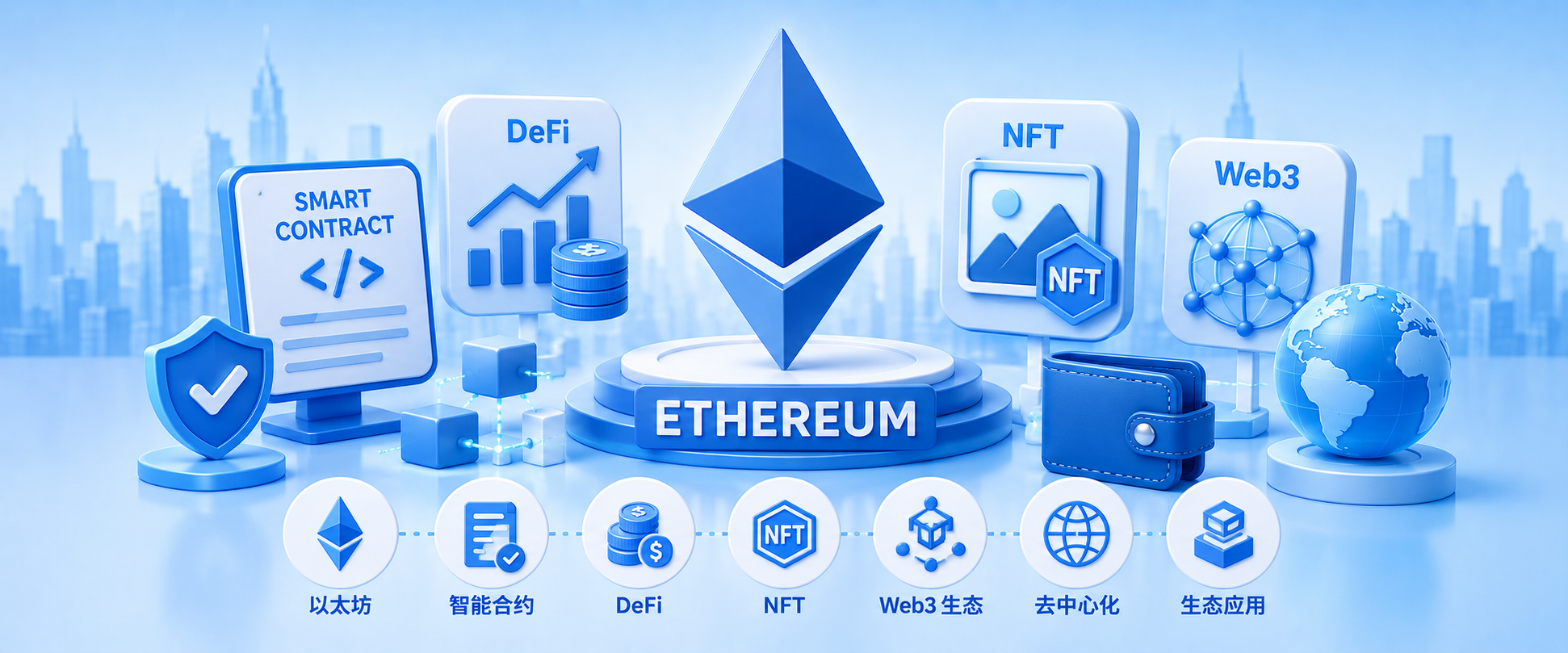
Ethereum is the second-largest cryptocurrency by market cap, but its ambition goes far beyond being “digital gold.” Ethereum is a decentralized global computer that supports developers building decentralized applications (DApps) through smart contracts. Most Web3 applications run on Ethereum.
Complete Guide
- Ethereum Complete Guide 2026: Smart Contracts to Layer 2 — Deep understanding of Ethereum architecture, EVM, ERC standards, and L2 scaling
ETH Staking
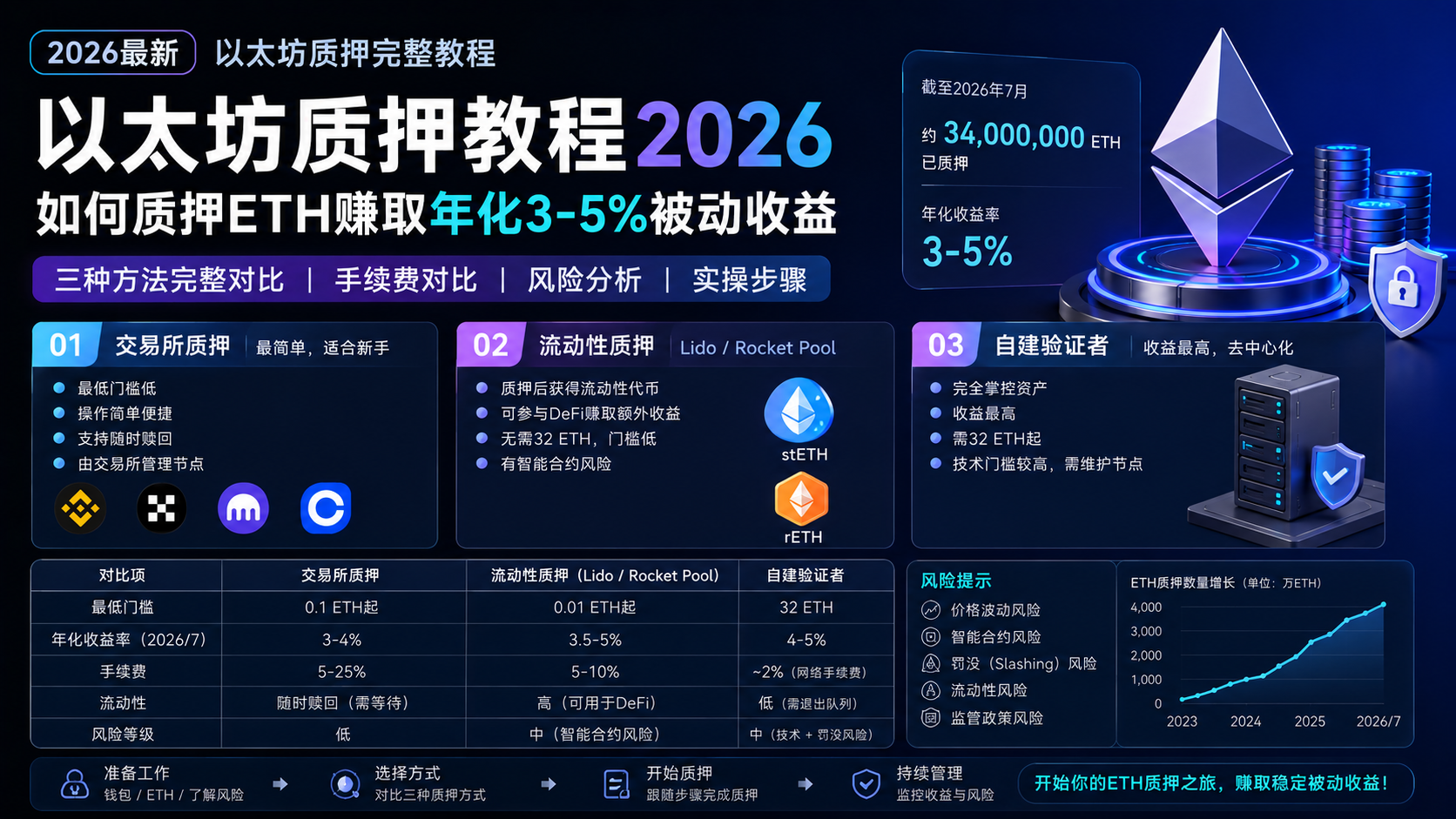
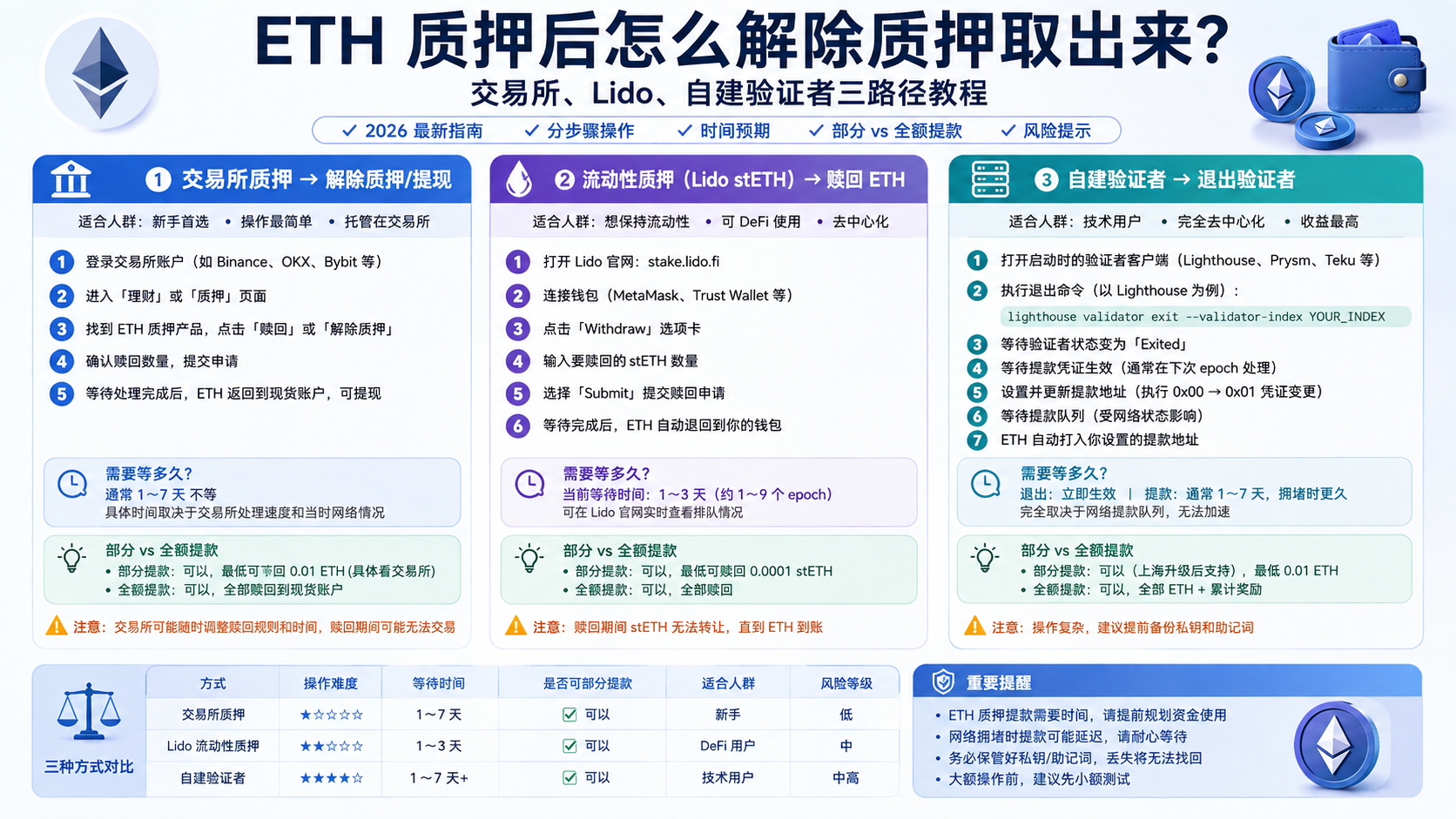
- Ethereum Staking Guide: How to Stake ETH — Solo staking, staking pools, and exchange staking options
- How to Unstake ETH in 2026: Withdraw Staked Ethereum — Withdraw staked ETH via exchange, Lido, or solo validator
Gwei & Gas Fees
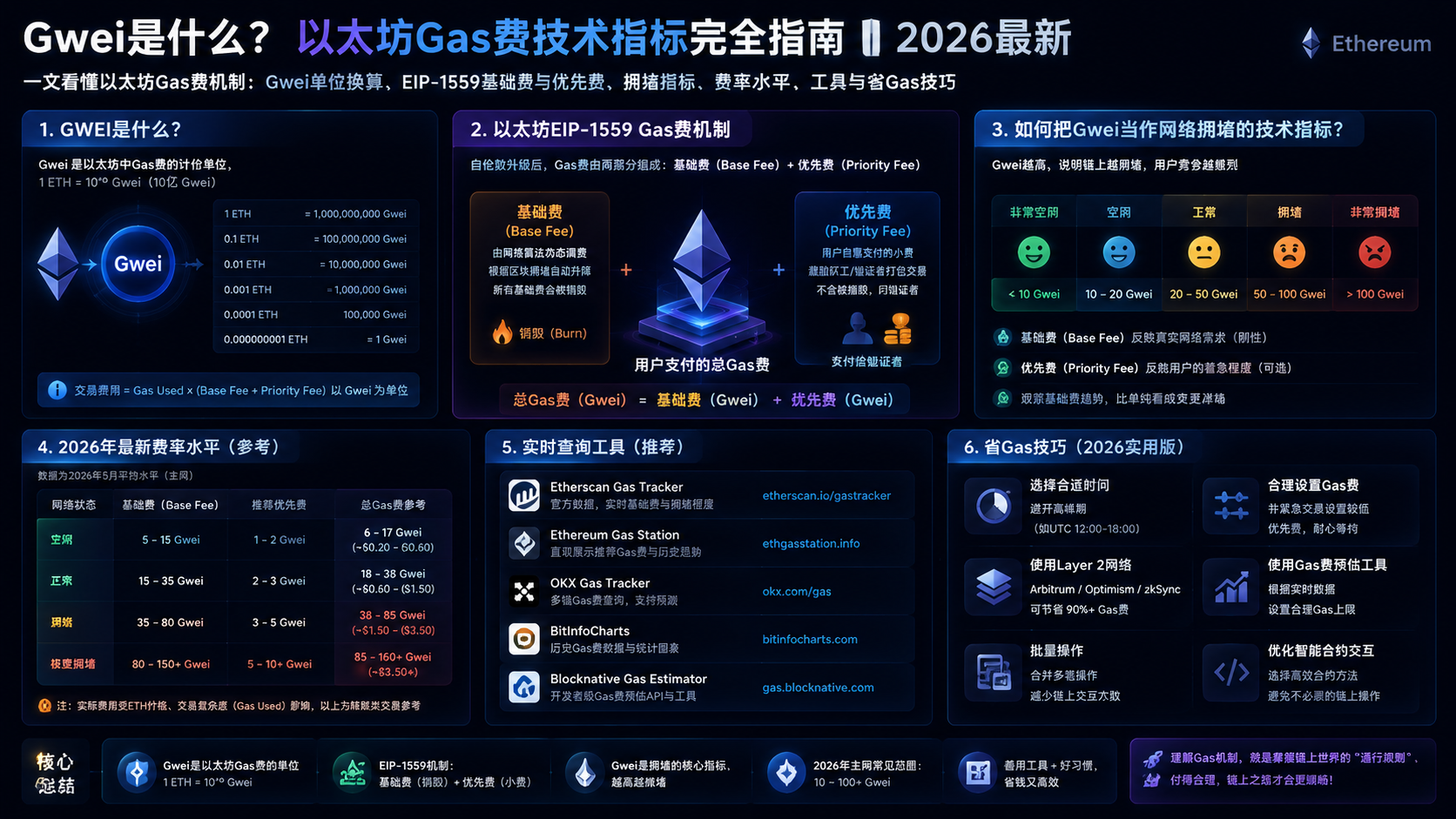
- What is Gwei? Complete Ethereum Gas Fee & Gwei Indicator Guide 2026 — Gwei conversion, EIP-1559 base & priority fees, and reading Gwei as a congestion indicator
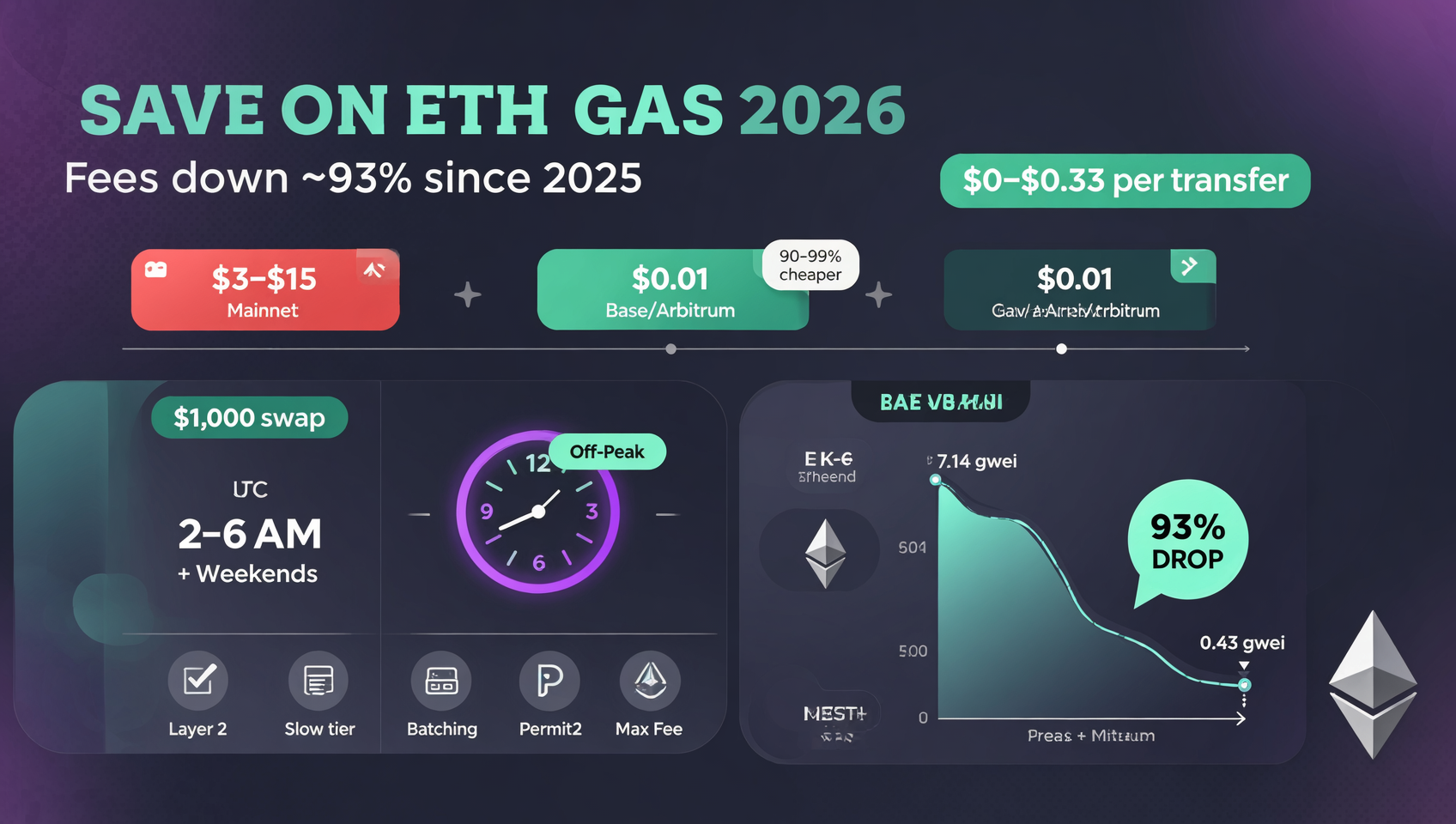
- Ethereum Gas Fees Too High? 2026 Practical Saving Guide — Mainnet vs Layer 2 cost comparison, best times to transact, and 6 saving methods
Layer 2 Comparison
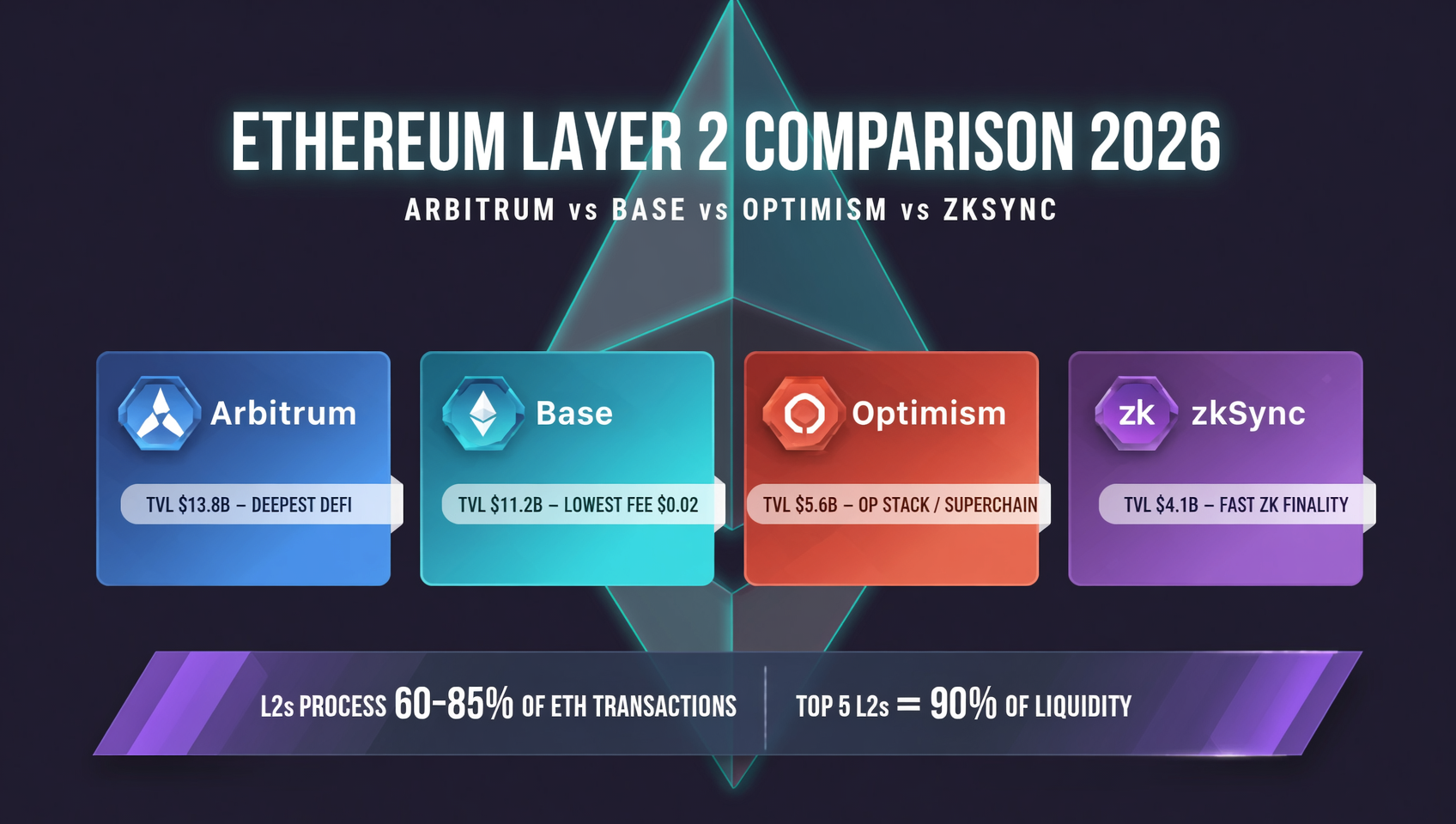
- Ethereum Layer 2 Comparison 2026: Arbitrum vs Base vs Optimism vs zkSync — Full comparison of TVL, fees, TPS and finality for the four major L2s, plus a how-to-choose guide and bridge steps
ETH vs SOL Comparison
- Ethereum vs Solana 2026: Which Is the Better Investment? — Full comparison of market cap, TVL, TPS, staking ratio, ETF flows, and developer ecosystems to help you pick between the two major Layer 1s
Frequently Asked Questions (FAQ)
What’s the difference between Ethereum and Bitcoin?
Bitcoin is “digital gold” — a decentralized store of value and payment network. Ethereum is a decentralized global computer that supports developers building decentralized applications (DeFi, NFTs, games) through smart contracts. Ethereum isn’t just a cryptocurrency — it’s a programmable application platform.
What is a smart contract?
A smart contract is code stored on the blockchain that executes automatically when preset conditions are met. Once deployed, no one can tamper with it or stop it. DeFi lending, decentralized exchanges, and NFT issuance all run on smart contracts. Ethereum is the largest smart contract ecosystem, hosting standards like ERC-20 (tokens) and ERC-721 (NFTs).
What is Gwei and how does it relate to gas fees?
Gwei is one of Ethereum’s smallest denominations: 1 ETH = 10⁹ Gwei. Gas fee = gas used × gas price (priced in Gwei). Gas price reflects network congestion — the more congested, the higher the unit price. Think of Gwei as the “thermometer” of Ethereum congestion. Related: Gwei complete guide, gas saving guide.
Ethereum is congested and gas fees are too high — what can I do?
Three options: ① Use Layer 2 (e.g. Arbitrum, Base, Optimism) — fees are usually an order of magnitude lower; ② Transact off-peak — pick less congested times (typically weekends or late nights); ③ Use saving techniques (batch transfers, set a reasonable priority fee, avoid popular NFT mint windows). See the Ethereum gas saving guide for details.
What is Layer 2 and why use it?
Layer 2 is a scaling solution built on top of the Ethereum mainnet. It processes large batches of transactions off-chain, then posts the results back to the mainnet. This dramatically cuts fees and boosts speed while inheriting Ethereum’s security. Major L2s include Arbitrum, Optimism, Base, and zkSync. For ordinary users, using L2 is the most economical way to transact and interact with Ethereum today.
How do I stake ETH to earn yield?
Ethereum PoS staking returns roughly 3-4% annually. Three approaches: ① Solo staking (requires 32 ETH, run your own validator node, highest returns); ② Staking pools (e.g. Lido — no minimum, exit anytime, pay a small protocol fee); ③ Exchange staking (one-click on Binance, OKX — most convenient but carries custody risk). See the Ethereum staking guide.