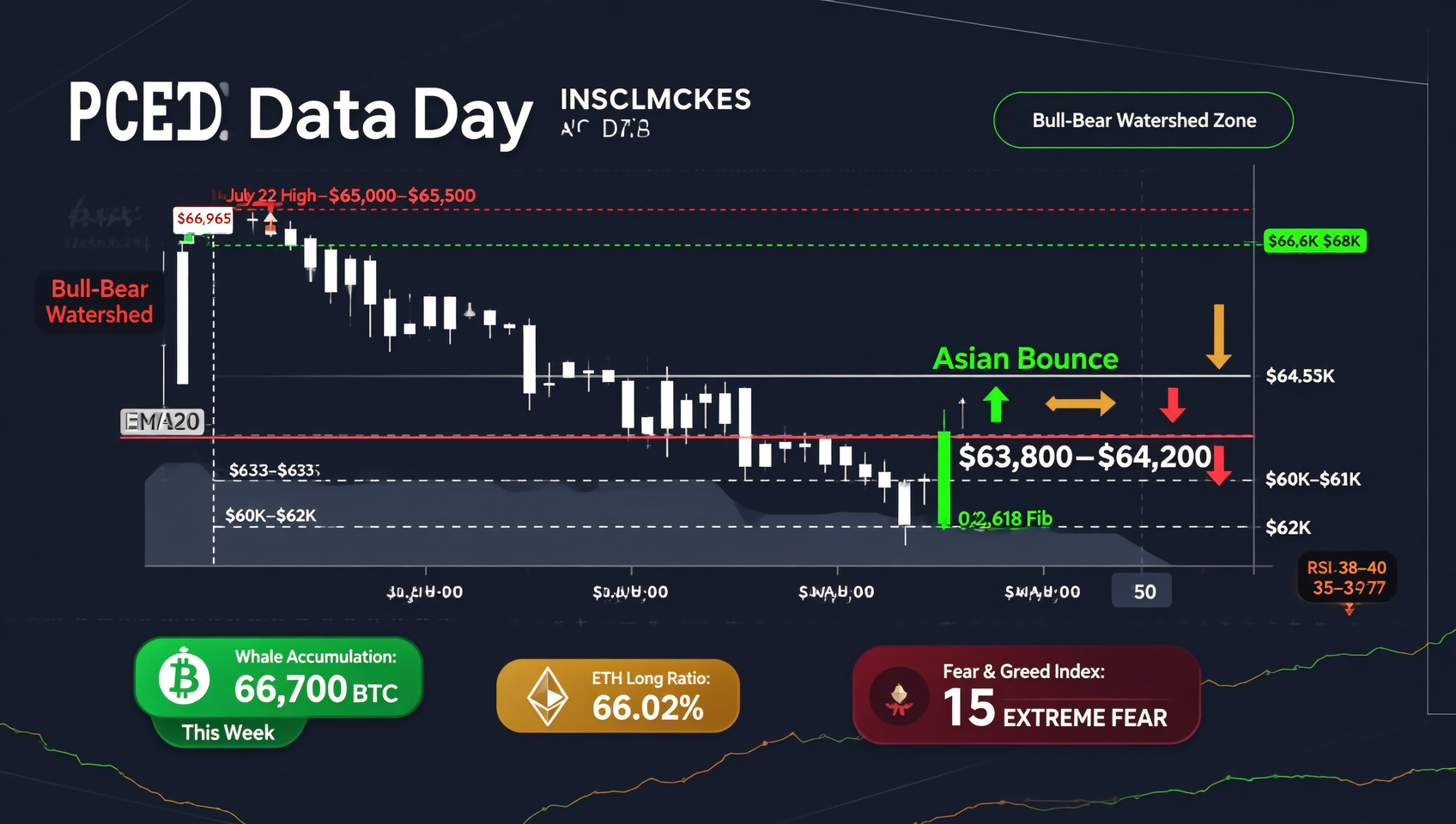
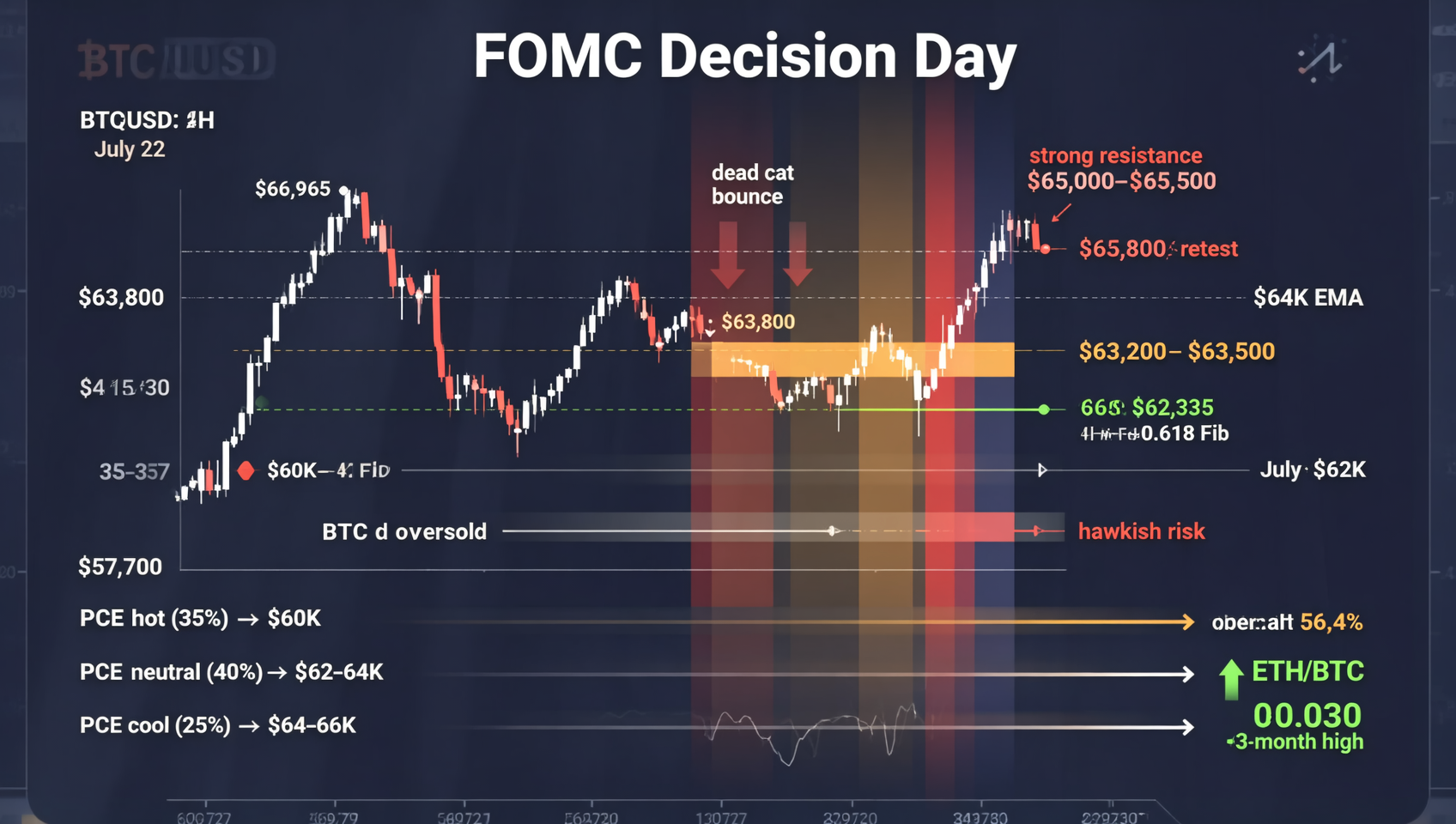
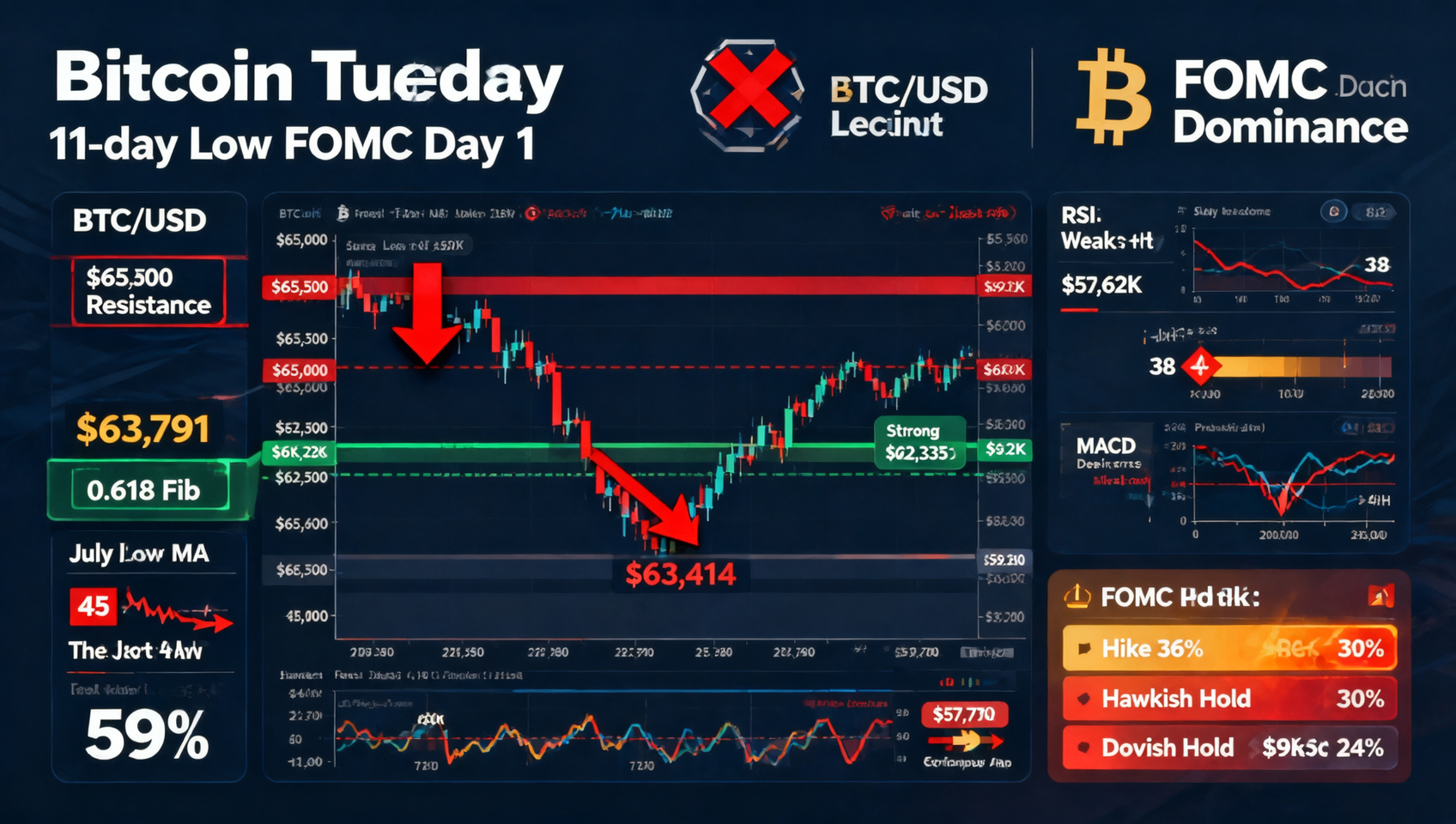
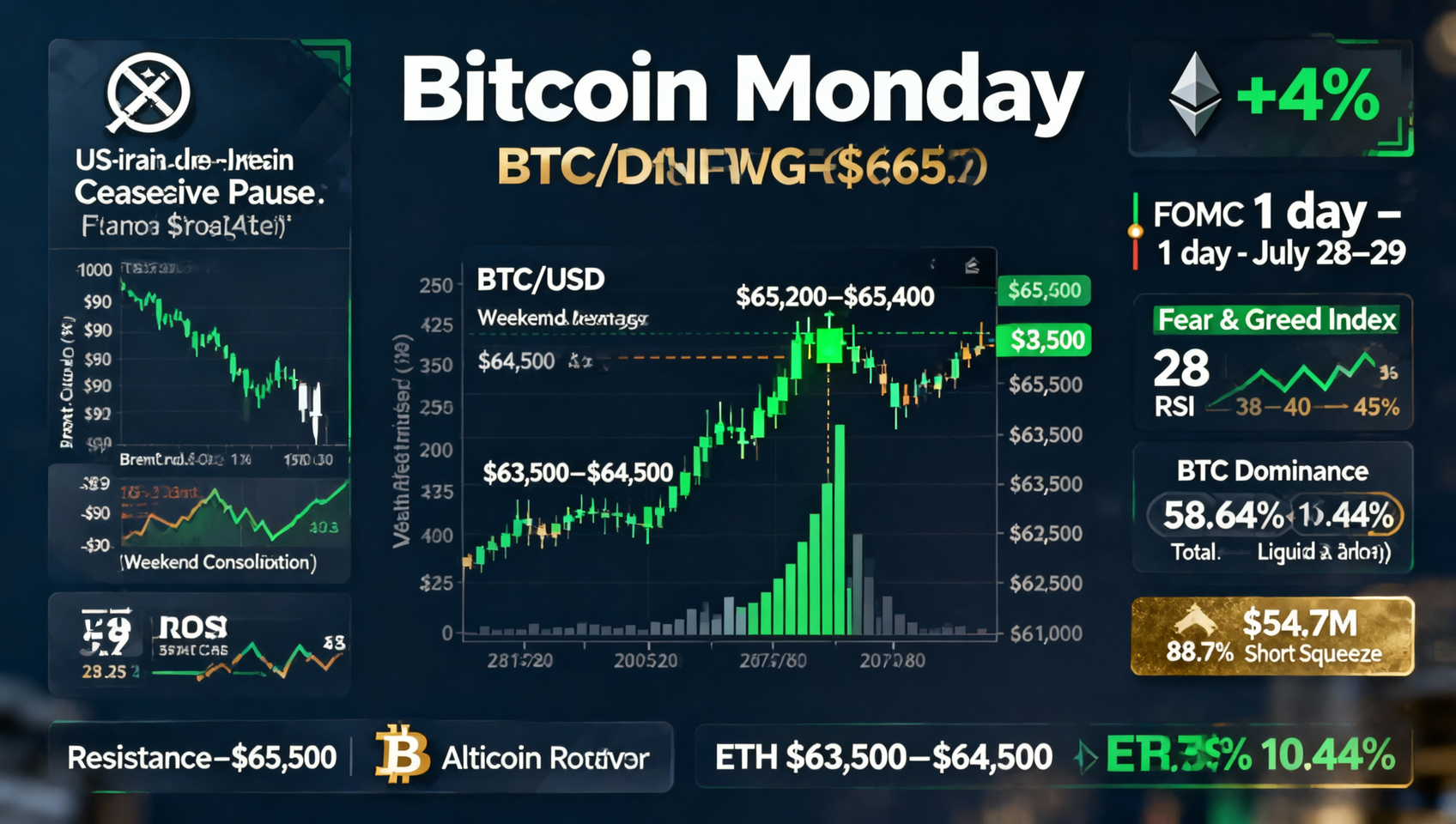
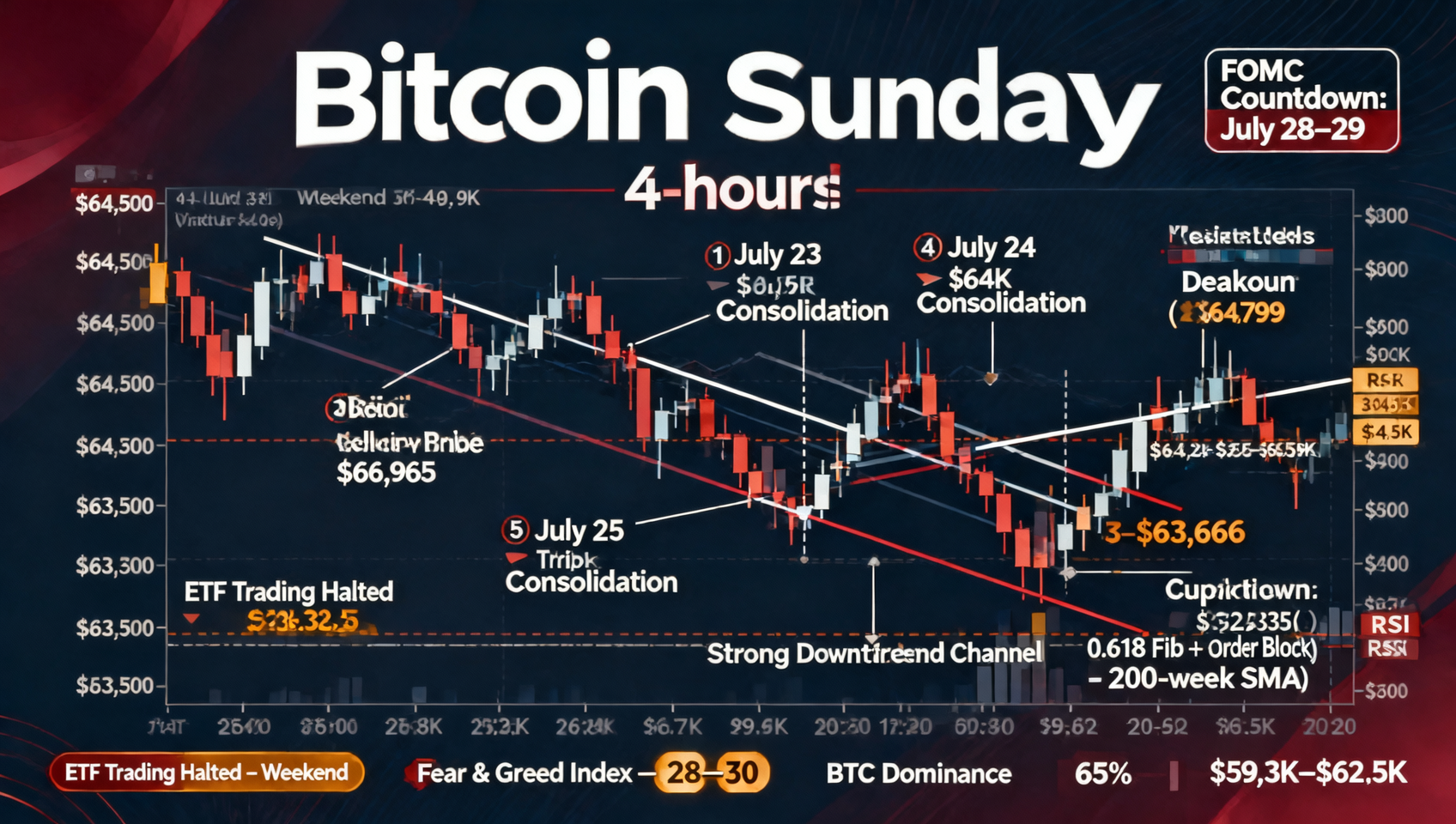
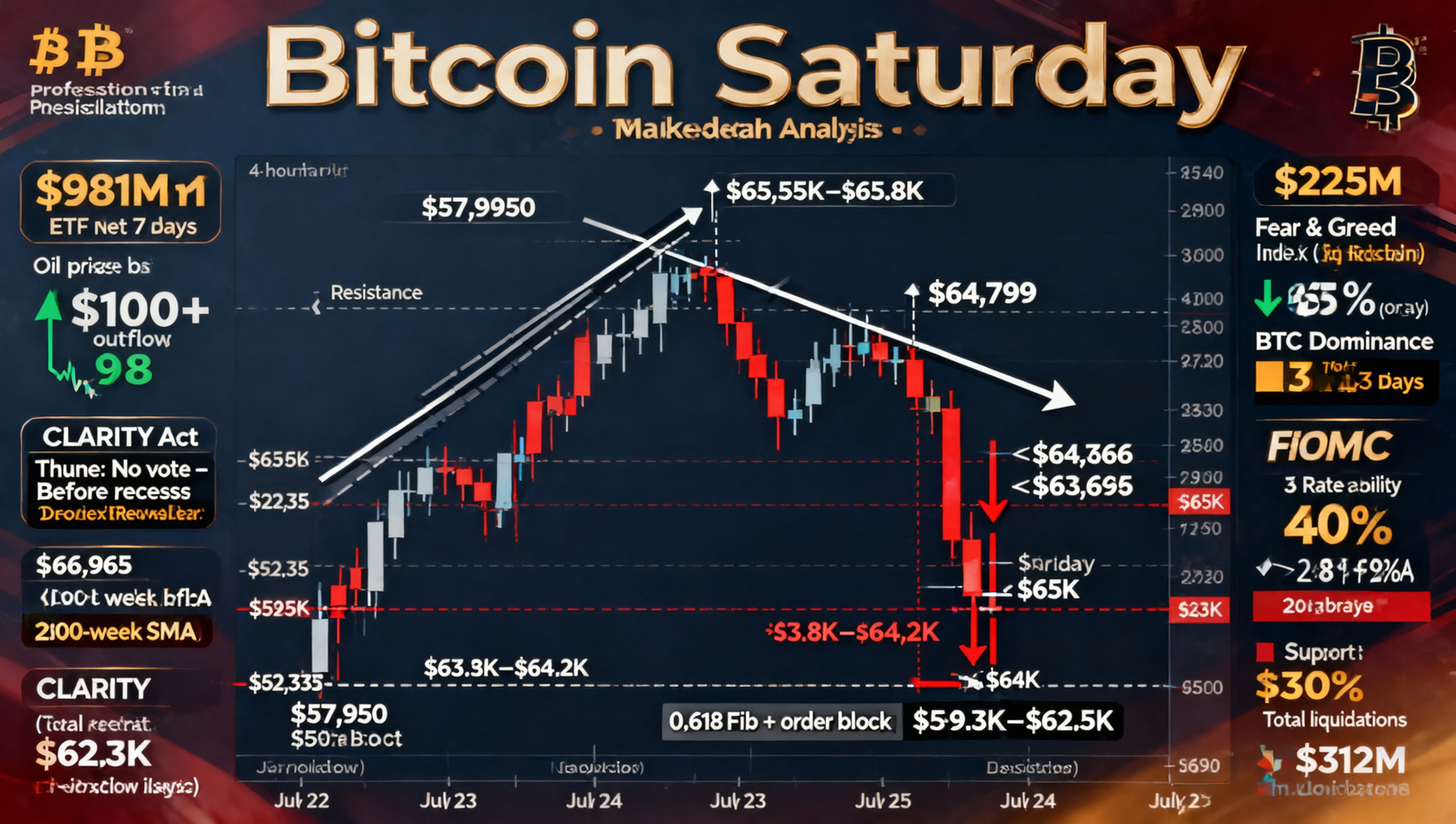
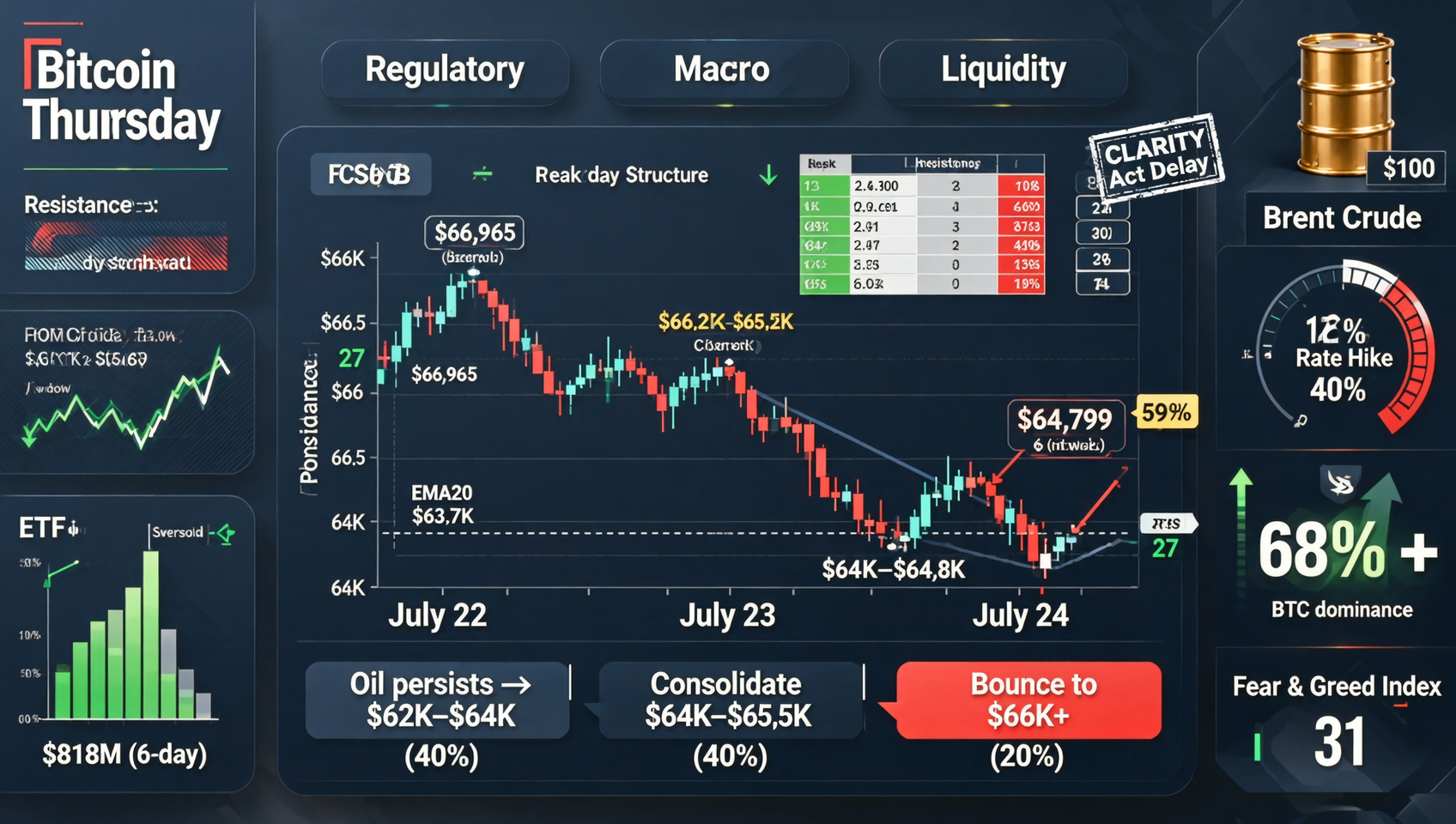
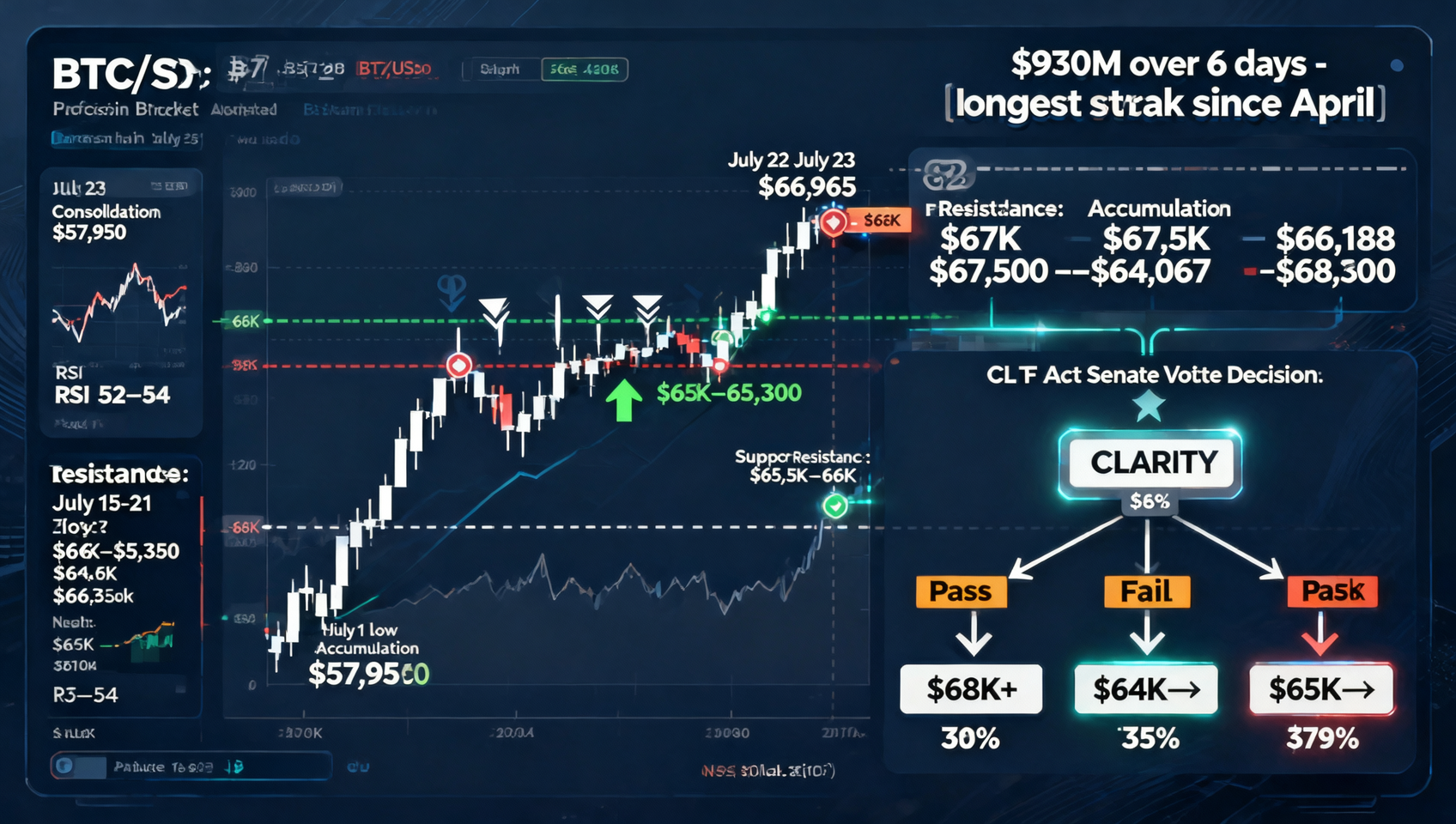
Welcome to the CoinVado Market Analysis section! We provide professional cryptocurrency market trend analysis covering Federal Reserve monetary policy impacts, on-chain metric changes, capital flow analysis, and technical chart pattern recognition. Navigate market volatility with confidence.
Core Analysis Dimensions
- Macro Policy Analysis — Fed interest rate decisions, CPI data, DXY dollar index impact on crypto markets, geopolitical factors
- Technical Analysis — BTC/ETH key support and resistance levels, candlestick pattern recognition, volume analysis, RSI/MACD and other technical indicators
- On-Chain Data Analysis — Exchange inflow/outflow, whale address movements, open interest changes, MVRV and SOPR on-chain metrics tracking
- Market Sentiment Analysis — Fear & Greed Index, funding rates, options data, social media sentiment monitoring
💡 Reading Tip: Market changes often require comprehensive multi-factor analysis. We recommend reading both technical analysis and the latest news reviews section for a more complete market perspective.
How to Use Market Analysis for Decision Making
Market analysis is not a crystal ball but a systematic approach to building your decision framework:
- Identify Trends — Use multi-timeframe analysis (daily/weekly/monthly) to determine market direction
- Time Your Moves — Combine technical patterns with on-chain data to find key entry and exit points
- Manage Risk — Understand market structure, set reasonable stop-losses and position sizing strategies
Each market analysis provides clear perspective statements and risk reminders to help you make more informed investment decisions. Remember, all analysis is for reference only and does not constitute investment advice.
Frequently Asked Questions (FAQ)
What is market analysis? Can it really predict prices?
Market analysis is a methodology for judging market trends and key price levels using macro policy, technicals, on-chain data, and market sentiment. It cannot precisely predict future prices (anyone claiming “100% accurate predictions” is untrustworthy), but it helps you build a decision framework and identify risks and opportunities. Understanding “analysis provides probabilities, not certainty” is the correct way to use it.
What’s the difference between technical and fundamental analysis?
Technical analysis studies price charts, candlestick patterns, and indicators (like RSI, MACD, support/resistance) to infer future direction from historical price action. Fundamental analysis focuses on substantive factors affecting asset value — macroeconomics, project development progress, on-chain adoption data, capital flows. The crypto market is highly volatile, so combining both (e.g. technicals for timing, fundamentals for direction) is usually more robust.
What is on-chain data? How does it help analysis?
On-chain data is the publicly queryable record on the blockchain, including exchange inflows/outflows, whale address movements, open interest, MVRV, SOPR, and other metrics. It reflects real participant behavior (e.g. whether whales are moving funds, the overall profit/loss state of investors), giving crypto a transparency advantage traditional markets lack.
Why does Fed policy affect cryptocurrency?
Bitcoin and other crypto assets are risk assets whose pricing is influenced by the global liquidity environment. When the Fed cuts rates or signals easing, market liquidity increases and capital tends to flow toward risk assets (including crypto) — often bullish. When it hikes or tightens, liquidity contracts and risk assets come under pressure. So macro indicators like CPI, rate decisions, and the dollar index (DXY) are key dimensions of market analysis.
What is the Fear & Greed Index and how do I use it?
The Fear & Greed Index quantifies market sentiment into a 0-100 score — lower means more fearful, higher means more greedy. It’s often used as a contrarian indicator: extreme fear (e.g. <20) may be an opportunity to accumulate gradually, while extreme greed (e.g. >80) warrants caution against chasing highs. But sentiment indicators are only an aid — combine with technicals and fundamentals, never rely on them alone.
How accurate is market analysis? Can I just copy the trades?
No analysis can guarantee accuracy — even professional institutions are only “probabilistically favored” over the long run. Don’t blindly follow any analyst — everyone’s position size, cost basis, and risk tolerance differ. The right approach: treat market analysis as information input, combined with your own judgment and strict risk management (stop-losses, position sizing). Remember: final responsibility for investment decisions is yours — all analysis is for reference only and does not constitute investment advice.