On-Chain Assets
Deep dive into real-world asset RWA tokenization, on-chain investment and blockchain asset management — from real estate to bonds and commodities.
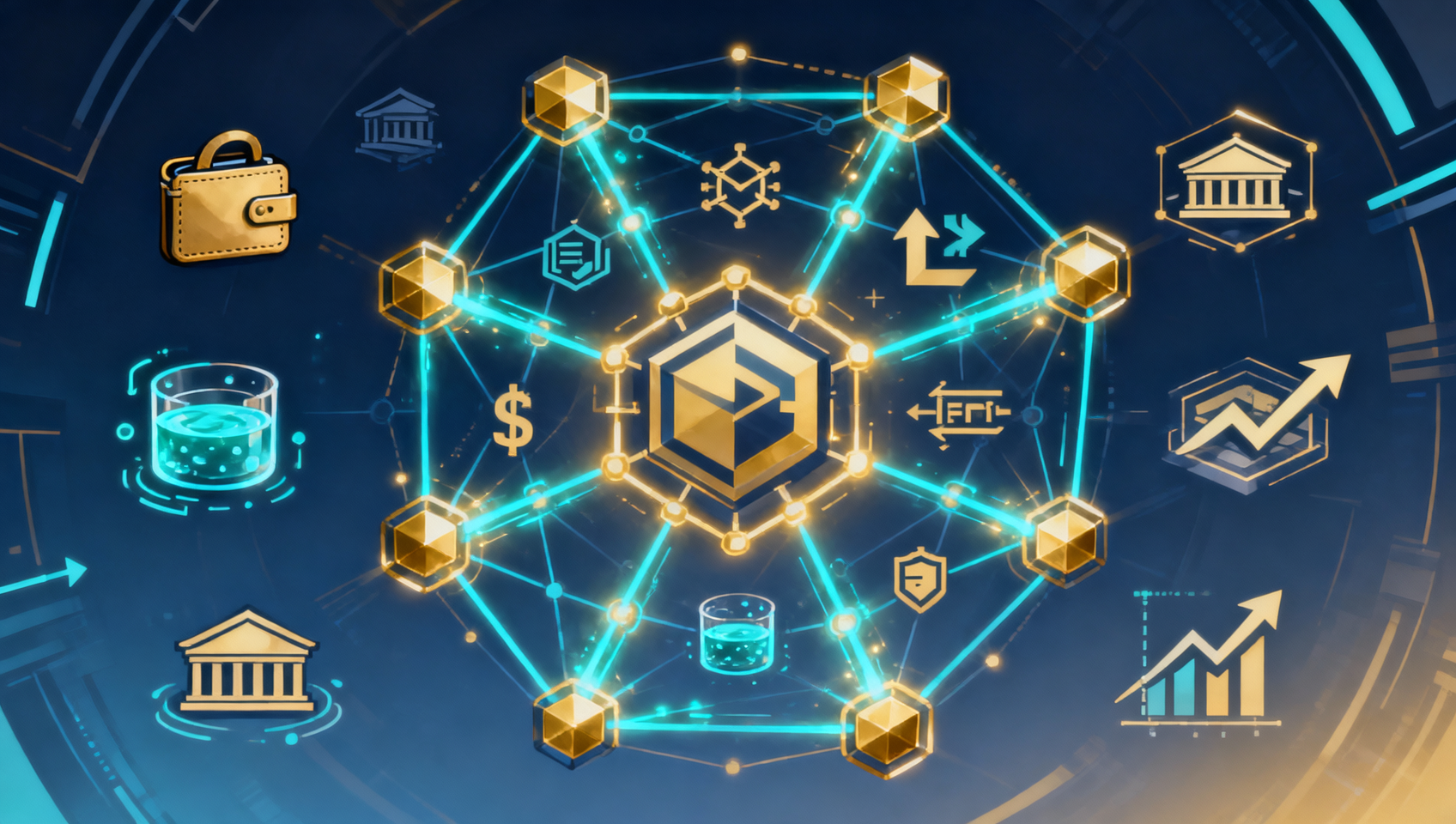
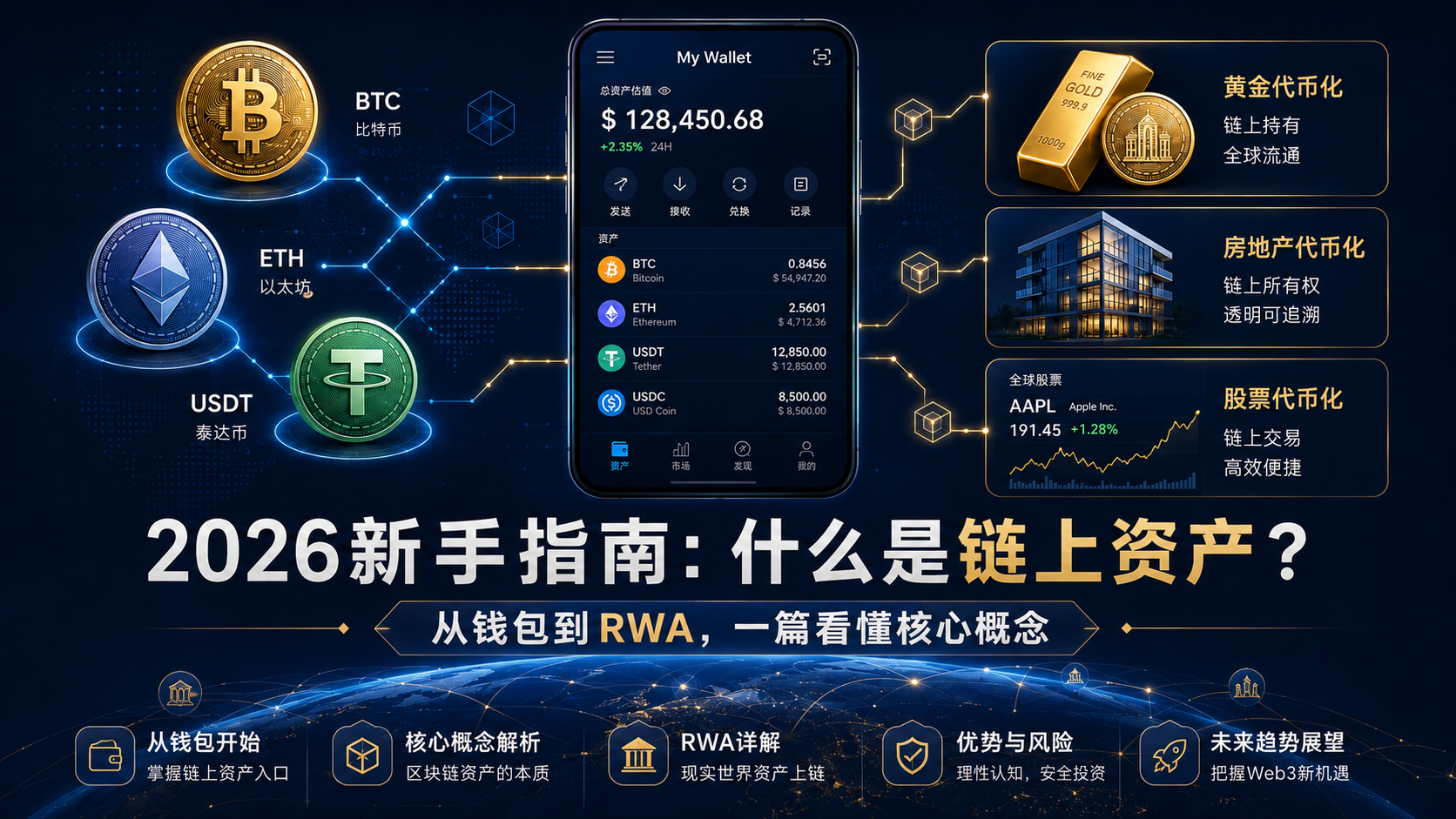
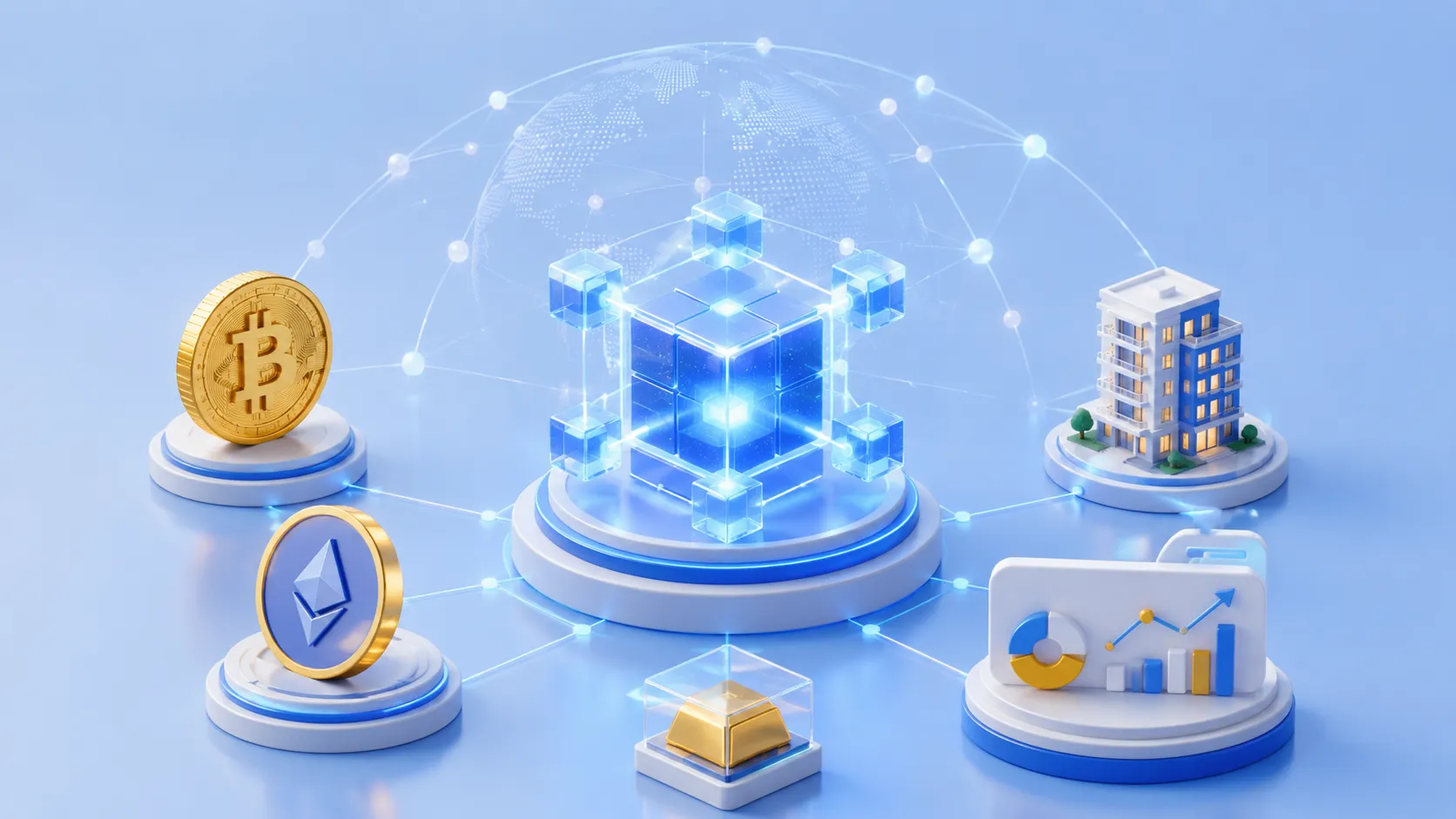
On-Chain Assets are digital assets issued and traded on the blockchain. This goes far beyond cryptocurrencies — it includes RWA (Real World Asset tokenization), NFTs, and DeFi assets. This section provides a comprehensive understanding.
On-Chain Asset Basics
- What Are On-Chain Assets? Beginner Guide — Systematic overview of on-chain asset definitions, categories, and investment logic
- What is DeFi? Beginner Guide 2026 — Understanding decentralized finance fundamentals
- What is NFT? 2026 Deep Analysis — From digital collectibles to on-chain identity, NFT real-world use cases
RWA Real World Asset Tokenization
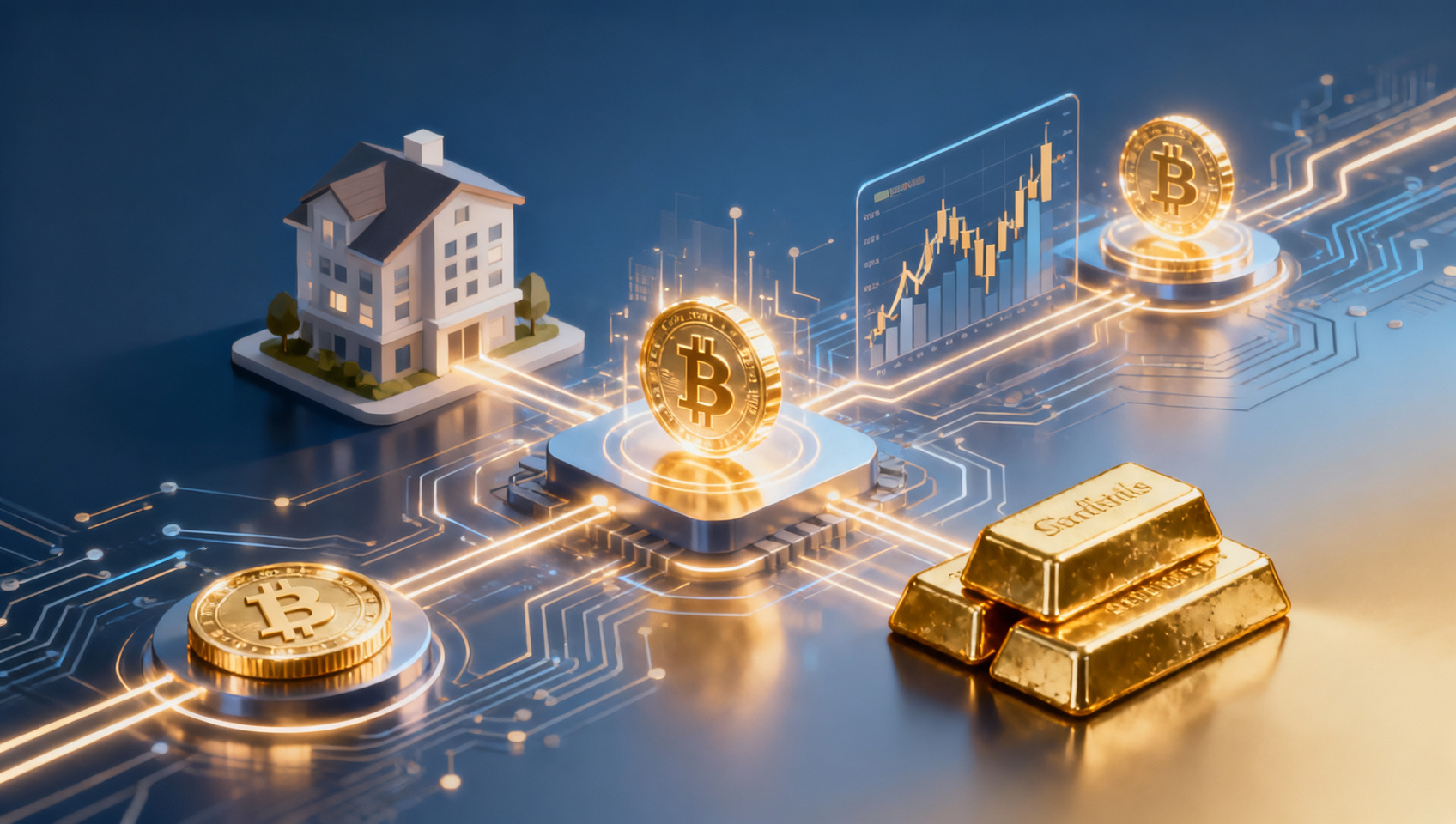
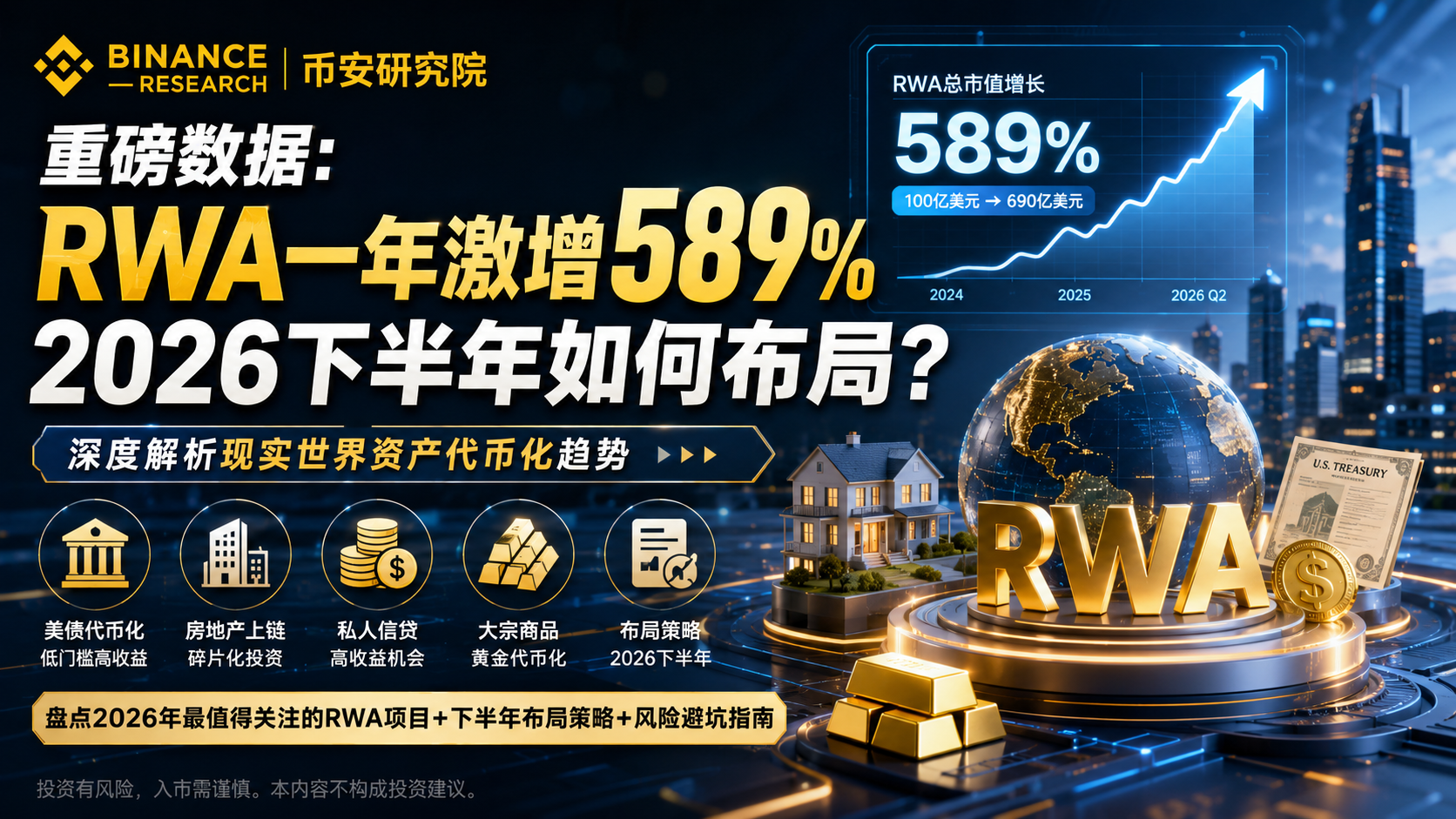
RWA tokenization is one of the most significant trends in crypto (2024-2026), bringing real-world assets like real estate, bonds, and commodities onto the blockchain:
- RWA Real World Asset Tokenization: 2026 Investment Guide — From BlackRock BUIDL to Ondo Finance — complete landscape
- Top 5 RWA Projects 2026 Deep Analysis — Analyzing Ondo, Mantra, Pendle, Clearpool and Ethena
Wallet Basics
- MetaMask Wallet Guide: Install, Security & DApps — Most popular self-custody wallet guide
Frequently Asked Questions (FAQ)
What are on-chain assets? What types are included?
On-chain assets are digital assets issued and traded on the blockchain. This isn’t just cryptocurrencies — it includes: ① Fungible tokens (ETH, stablecoins, and other ERC-20 tokens); ② NFTs (non-fungible tokens for digital collectibles and on-chain identity); ③ DeFi assets (LP receipts, yield-bearing tokens); ④ RWA (real-world asset tokenization, such as real estate, bonds, and commodities).
What is RWA and why does it matter?
RWA (Real World Assets) refers to tokenizing real-world assets (real estate, bonds, commodities, etc.) onto the blockchain. Its significance: connecting trillions of dollars of traditional assets to DeFi’s programmable, composable ecosystem, moving crypto from pure speculation toward real value backing. BlackRock’s BUIDL fund and Ondo Finance are leaders in this sector.
Do I need a wallet to use on-chain assets?
Yes. On-chain assets are self-custodied, so you need a self-custody wallet (e.g. MetaMask) to receive, manage, and trade them. A wallet essentially holds your private keys, which control access to on-chain assets. We recommend learning wallet installation and safe usage before starting. See the MetaMask wallet guide.
What are NFTs? Do they still have value?
NFTs (Non-Fungible Tokens) are blockchain certificates representing ownership of unique assets — they can’t be exchanged one-for-one. After the 2021-2022 hype bubble, the market has returned to rationality. NFTs are now mainly used for digital collectibles, art provenance, on-chain identity (e.g. domains), and membership rights. Value depends on the project’s quality and liquidity — no longer “mint anything and profit.”
How do I buy on-chain assets? What’s the process?
Basic flow: ① Set up a self-custody wallet (MetaMask, etc.); ② Fund it with crypto (e.g. ETH) via an exchange or on-ramp; ③ Buy target assets on a DEX (e.g. Uniswap) or NFT marketplace (e.g. OpenSea). Note: on-chain transactions require gas fees, and every step involves security considerations (approvals, phishing). Start with the what are on-chain assets beginner guide.
What are the risks of investing in on-chain assets?
Main risks: ① Smart contract risk (protocols hacked or rug pulled); ② Market risk (high volatility, illiquidity making exits hard); ③ Operational risk (lost private keys, stolen approvals, wrong address transfers); ④ Compliance risk (regulatory restrictions on some assets in certain regions). Mitigation: use only audited mainstream protocols, test with small amounts, safeguard private keys, and periodically revoke contract approvals.
更多相关文章
- What Are AI Crypto Tokens? The 2026 Crypto-AI Narrative, Top Projects & Risks — What are AI crypto tokens in 2026? A complete guide to the crypto-AI sector: market caps and functions of TAO, RENDER, FET and more, the four sub-sectors (compute / models / agents / data), why AI coins are not ‘the future of AI’, and a decision framework for who should buy.
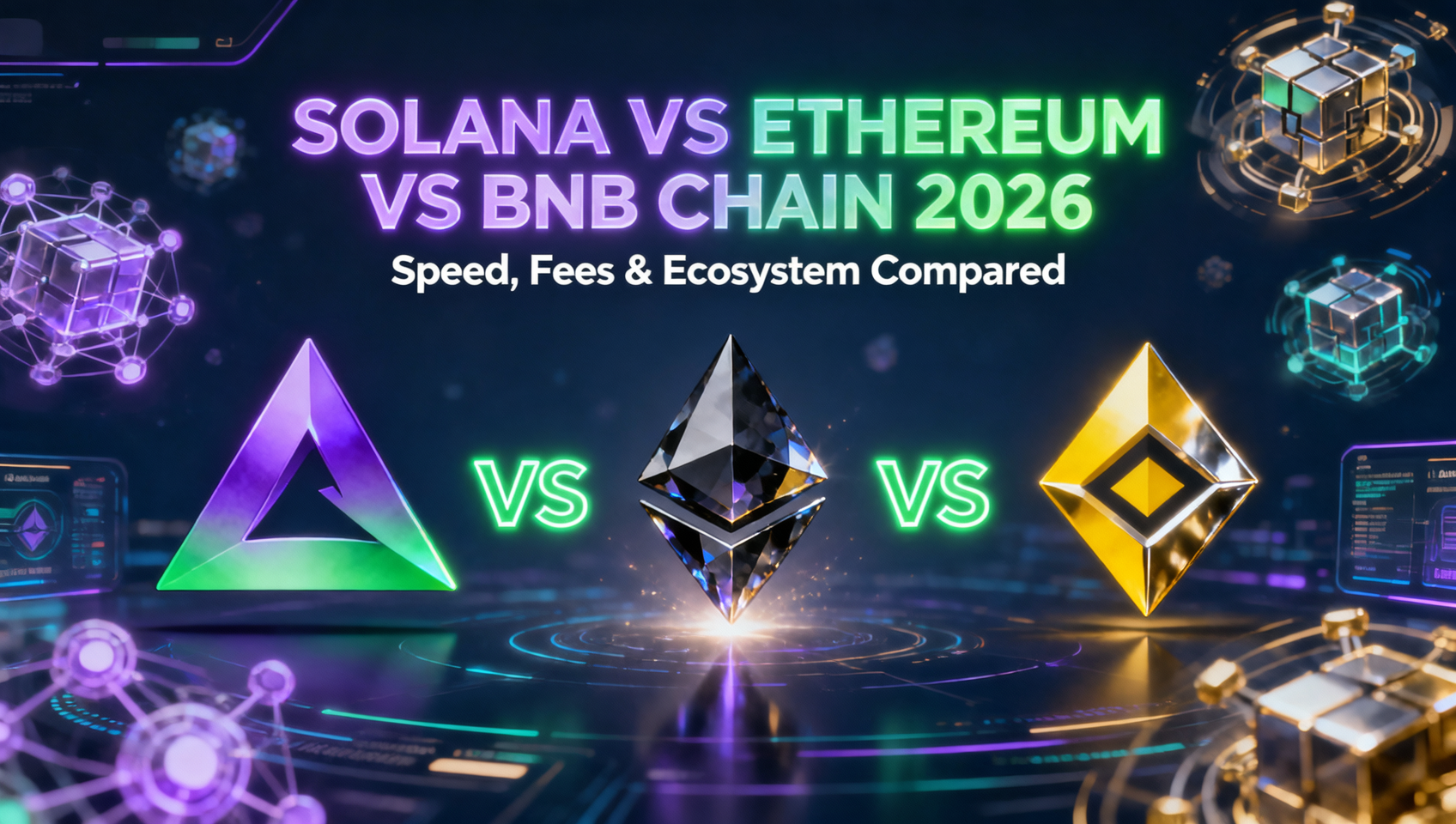
- Solana vs Ethereum vs BNB Chain 2026: Speed, Fees, Ecosystem & Which to Use — Solana, Ethereum, and BNB Chain compared across 2026 TPS and fees (Solana is fastest and cheapest), DeFi TVL (Ethereum’s $49.9B dominates, BNB Chain just flipped Solana), market cap and users, consensus and decentralization tradeoffs — with a 30-second decision table.
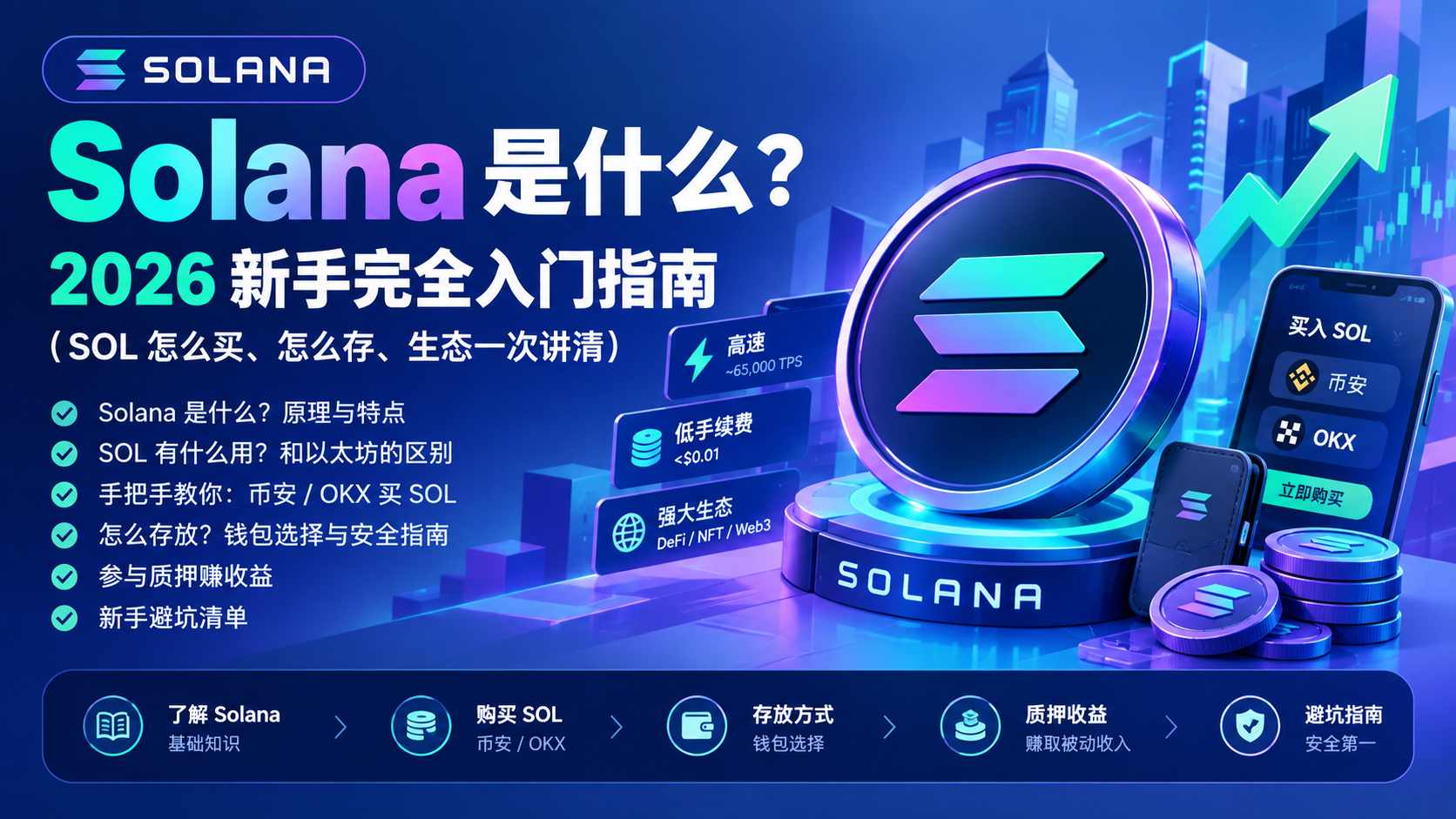
- What Is Solana? 2026 Beginner’s Complete Guide (How to Buy, Store, and Use SOL) — Solana is a public blockchain built for high speed and low fees, and its native token SOL became the third cryptocurrency — after Bitcoin and Ethereum — to get a US spot ETF in October 2025. This guide explains Solana from zero: how it works, what SOL is for, how it differs from Ethereum, and walks you through buying SOL on Binance/OKX, choosing where to store it, and staking for yield, plus a beginner’s mistake checklist.