Bitcoin
Learn to buy, store and invest in Bitcoin: the 21 million supply cap, PoW mining, wallet security, Lightning Network, trading and ETF progress.
Bitcoin (BTC) is the world’s first and most famous cryptocurrency. Since its creation by Satoshi Nakamoto in 2009, Bitcoin has evolved from a niche experiment into a global asset with a market cap exceeding $1.5 trillion. Its core innovation: enabling peer-to-peer electronic cash without any trusted third party.
Bitcoin Basics
- Bitcoin Complete Guide 2026: Mining & Layer 2 — From how Bitcoin works to mining, Lightning Network, and Ordinals
How to Buy
- How to Buy Bitcoin 2026: Exchange Comparison — Complete process and fee comparison across exchanges
Wallets & Storage
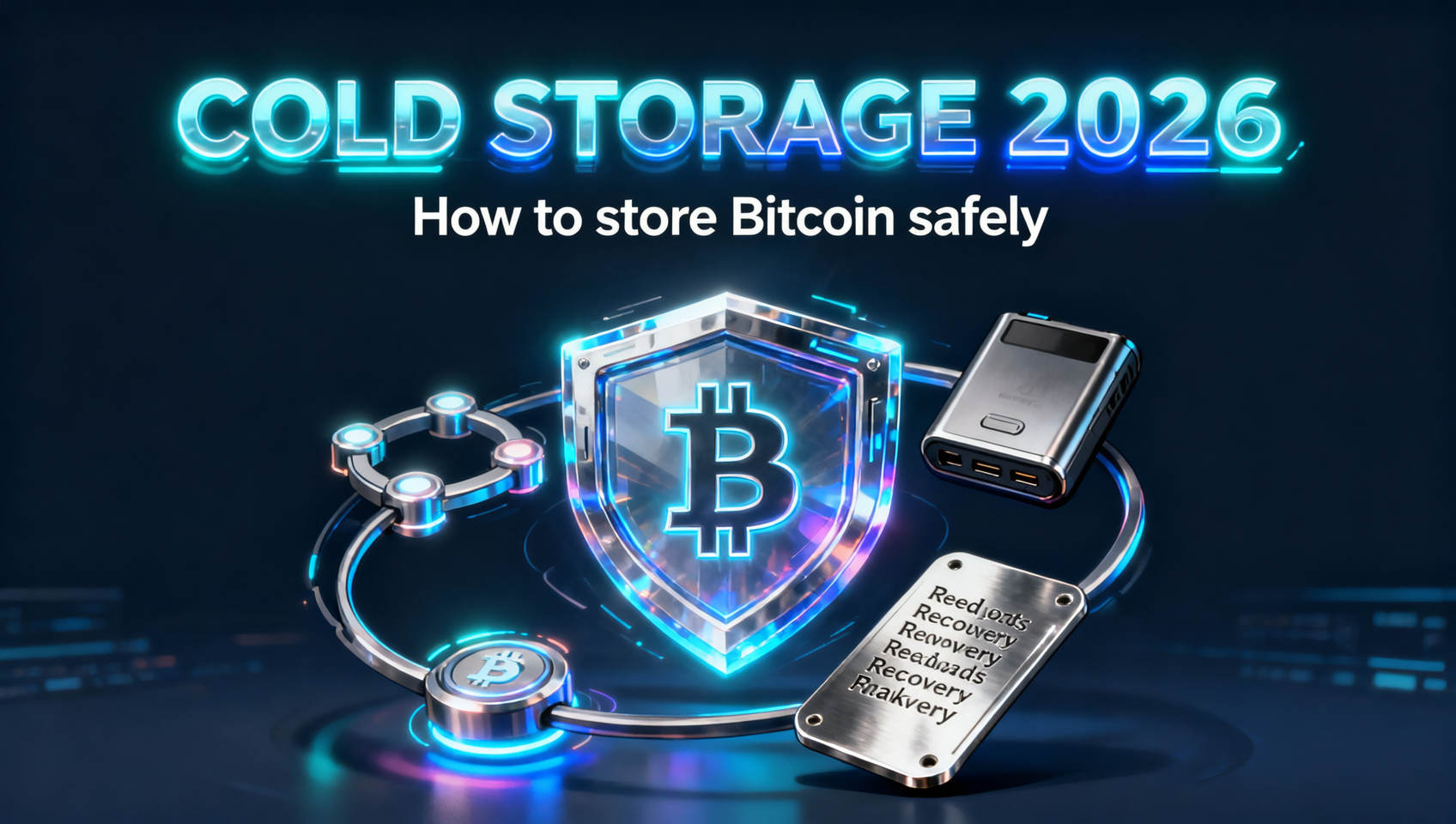
- Best Bitcoin Wallets 2026: Complete Cold Storage Comparison — Coldcard, Trezor, Ledger hardware cold wallets vs. Sparrow and other software wallets, including the lessons from the July 2026 Coldcard hack
- Best Bitcoin Cold Storage Options 2026: Hardware, Multisig & Metal Compared — Five cold storage options compared, an amount-based decision table and a 6-step setup
ETF Investing
- Bitcoin Spot ETF Guide 2026: How to Buy BTC Through a Broker — US spot bitcoin ETFs hold about $78 billion; IBIT, FBTC and GBTC compared, fees from 0.19% to 1.50%, and a 6-step broker buying guide
Bitcoin Treasuries & Institutional Holdings
- Bitcoin Treasuries 2026: Which Companies Hold the Most BTC — What a Bitcoin treasury is: Strategy holds ~848K BTC, the US government ~200K, and spot ETFs ~1.57M — who’s buying, why, and what it means for retail investors
Frequently Asked Questions (FAQ)
What is Bitcoin and why does it have value?
Bitcoin (BTC) is the world’s first cryptocurrency, created in 2009 by a pseudonymous developer named Satoshi Nakamoto to enable peer-to-peer electronic cash without a trusted third party. Its value comes from: a fixed supply cap of 21 million coins, a decentralized and tamper-proof ledger, and global consensus plus network effects.
How is Bitcoin created? (What is mining?)
Bitcoin is created through mining (Proof-of-Work). Miners compete to solve math puzzles to package transaction blocks; the winner receives newly minted BTC plus fees. The reward halves every 210,000 blocks (about 4 years). Today, professional mining farms run specialized ASIC machines at scale, making individual participation costly.
How do I buy and store Bitcoin safely?
Buying: register on a compliant exchange (e.g. Binance, OKX), complete KYC, then fund via C2C or bank card. Storing: keep it on the exchange for short-term; for larger amounts move to a self-custody wallet — hardware wallets are safest. Always back up your seed phrase offline and never share it. See the wallet complete guide.
Is Bitcoin “digital gold”? Is it a good investment?
Because of its capped supply, decentralization, and censorship resistance, Bitcoin is often called “digital gold,” with some institutions treating it as a hedge against fiat devaluation. But it’s far more volatile than gold. Investment advice: accumulate gradually via dollar-cost averaging (DCA), invest only what you can afford to lose, and avoid leverage. Base all decisions on your own risk tolerance.
Is Bitcoin divisible? What’s the smallest unit?
Yes. Bitcoin’s smallest unit is the satoshi (sats) = 0.00000001 BTC, so 1 BTC can be split into 100 million sats. This lets users buy small amounts (e.g. $10) even when the price per coin is high. The Lightning Network Layer 2 further supports micro-payments.
What is the Lightning Network and why does it matter?
The Lightning Network is Bitcoin’s Layer 2 scaling solution that enables near-instant transfers with extremely low fees via off-chain payment channels, solving the mainnet’s limited throughput and slow confirmations. It makes Bitcoin practical for micro-payments and cross-border transfers — a key part of Bitcoin scalability.
更多相关文章
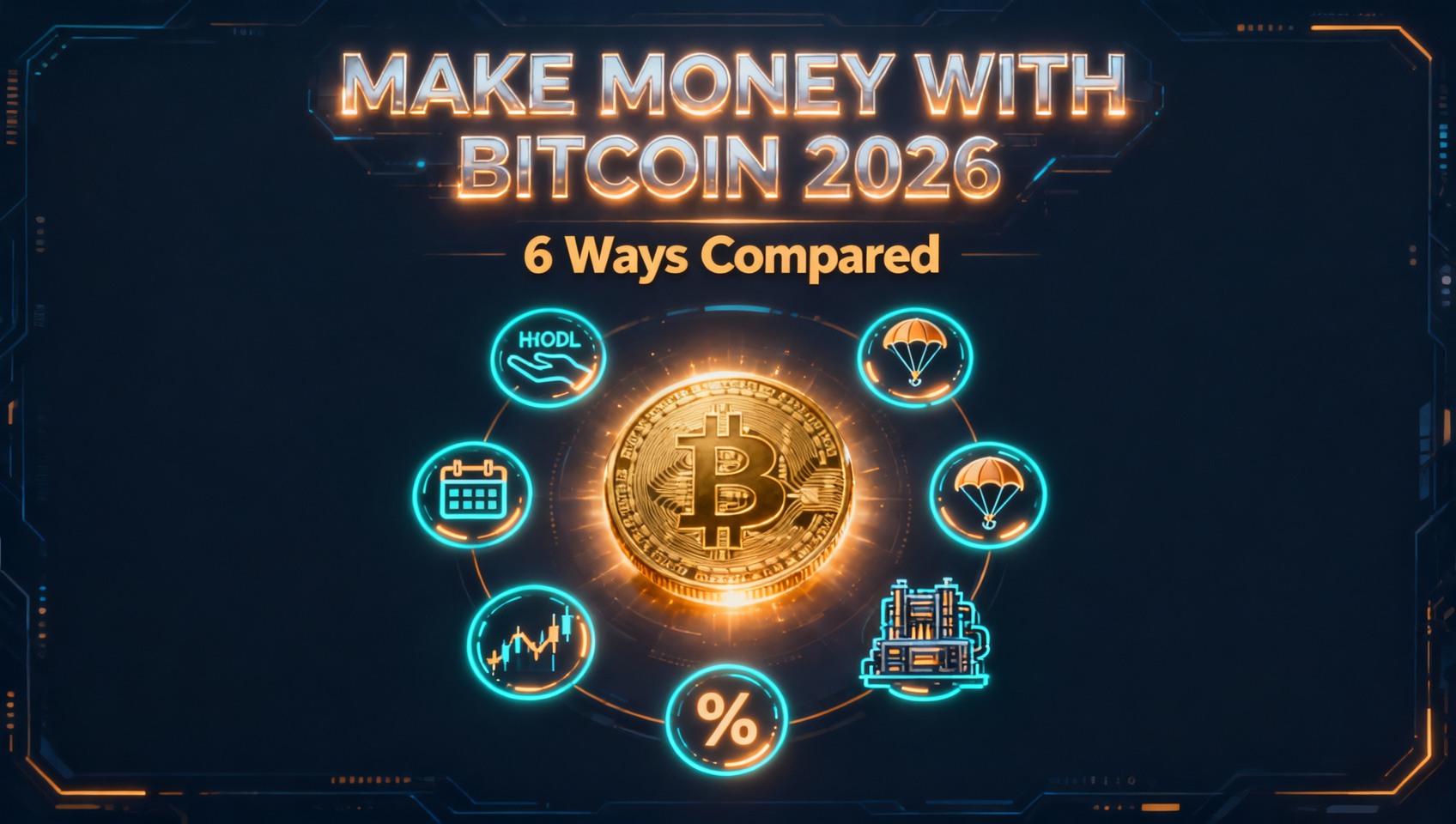
- How to Make Money with Bitcoin in 2026: 6 Ways Compared — How do you actually make money with Bitcoin? It’s not just buying low and selling high. This guide breaks down 6 ways to profit — holding, dollar-cost averaging, trading, earning interest, mining, and airdrops — explains what each one pays you for, how risky it is, and who it suits, with a decision table and reality checks for beginners.