
Beginner's Guide
Learn crypto basics and blockchain concepts from scratch — Bitcoin, how blockchain works, wallet security, exchange setup, DeFi essentials and Web3 basics.
Welcome to the world of cryptocurrency! This section is a complete learning path for absolute beginners. Whether you’re here because of Bitcoin’s price surge, blockchain technology’s potential, or a friend’s recommendation — this is the right place to start.
Understanding Cryptocurrency
Start with the fundamental concepts before making your first trade. Cryptocurrency is essentially a decentralized digital asset that doesn’t rely on any bank or government. It runs on blockchain technology — a public, transparent, and immutable distributed ledger.
- What is Bitcoin? Beginner’s Complete Guide — Learn Bitcoin’s origin story, how it works, and why it’s called “digital gold”
- Crypto Beginner’s First Step 2026 — A complete starting guide for those who just heard about Crypto
- Blockchain Technology Principles: How Hash Chains Work — Understand blockchain’s underlying technology in simple terms
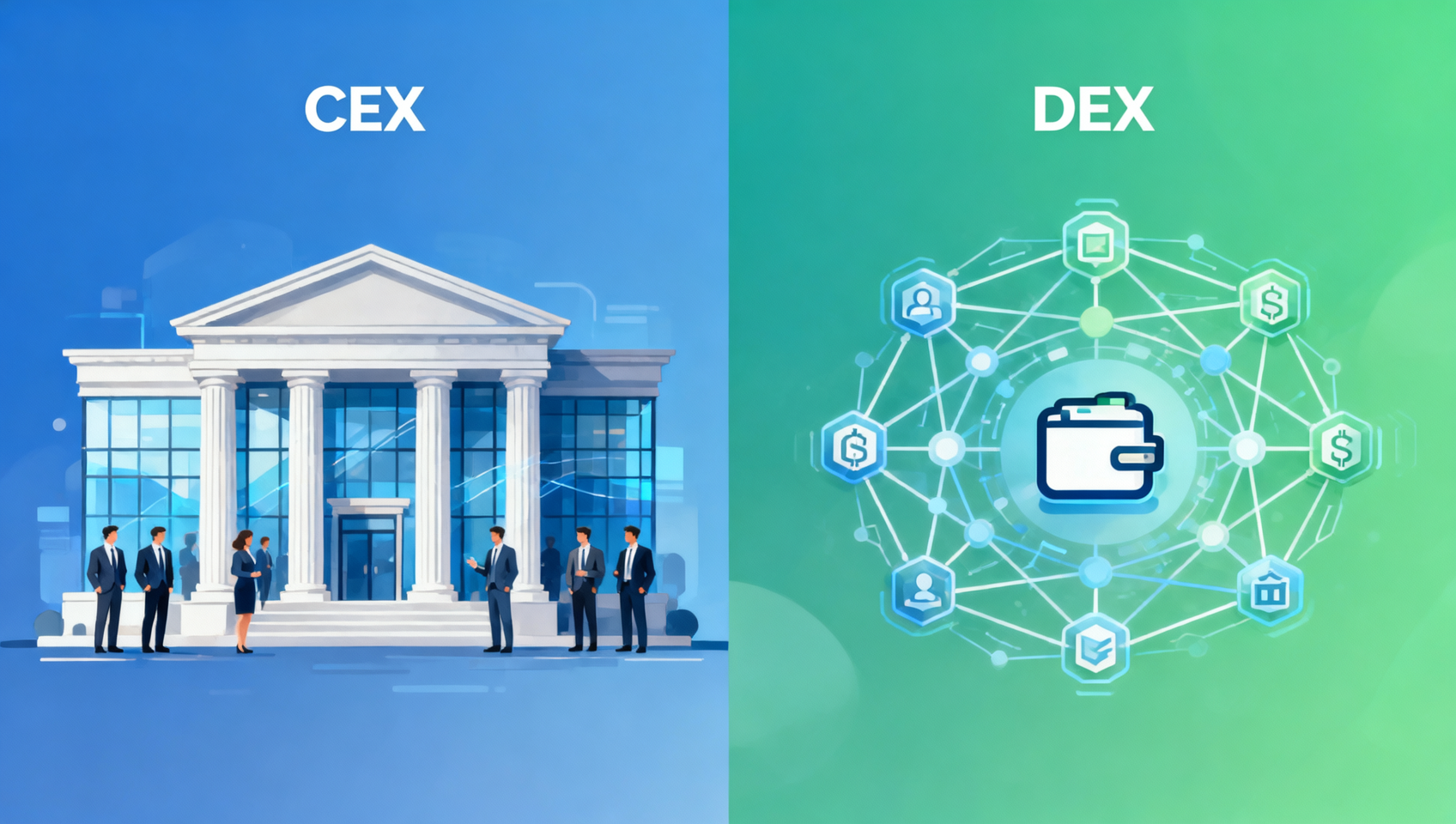
- CeFi vs DeFi: Complete Comparison of Centralized and Decentralized Exchanges — Core differences and use cases
Buying Your First Cryptocurrency
- How to Buy Bitcoin for Beginners: What Are Binance and OKX? — first understand what an exchange (and Binance/OKX) is, then walk through register → KYC → buy USDT → buy BTC
- How Much Money Do You Need to Buy Crypto for the First Time? — Start with as little as ~$1.40, but aim for $15–$45
- 2026 Buy Crypto Guide: Complete Exchange Purchase Guide — Step-by-step from zero to your first crypto purchase
- Binance C2C Buy Crypto Guide — Complete process of buying USDT via Binance P2P
- Best Crypto Exchanges for Beginners 2026 — Multi-dimensional comparison of safety, fees, and usability
🔥 Popular Coin Guides: What Each Coin Is & How to Buy
Besides Bitcoin, many people start by buying a specific coin. These guides walk through “what it is → how to buy → what to avoid” for individual coins:
- What Is XRP? How to Buy Ripple — cross-border payments with 3–5 second settlement; the difference between XRP and Ripple, the SEC case, and how to buy
- What Is Pi Network? Is Mobile Mining an Opportunity or a Scam? — what “mobile mining” really is, the real ~97% price collapse after launch, how to buy Pi on OKX, and how to tell real Pi from fakes
- Is Dogecoin Worth Buying? What DOGE Is, the Risks, and How to Buy — where the first meme coin’s value comes from, why a low unit price isn’t cheap, the inflation and sentiment risks, and how to buy it on Binance/OKX
Exchange Registration & KYC
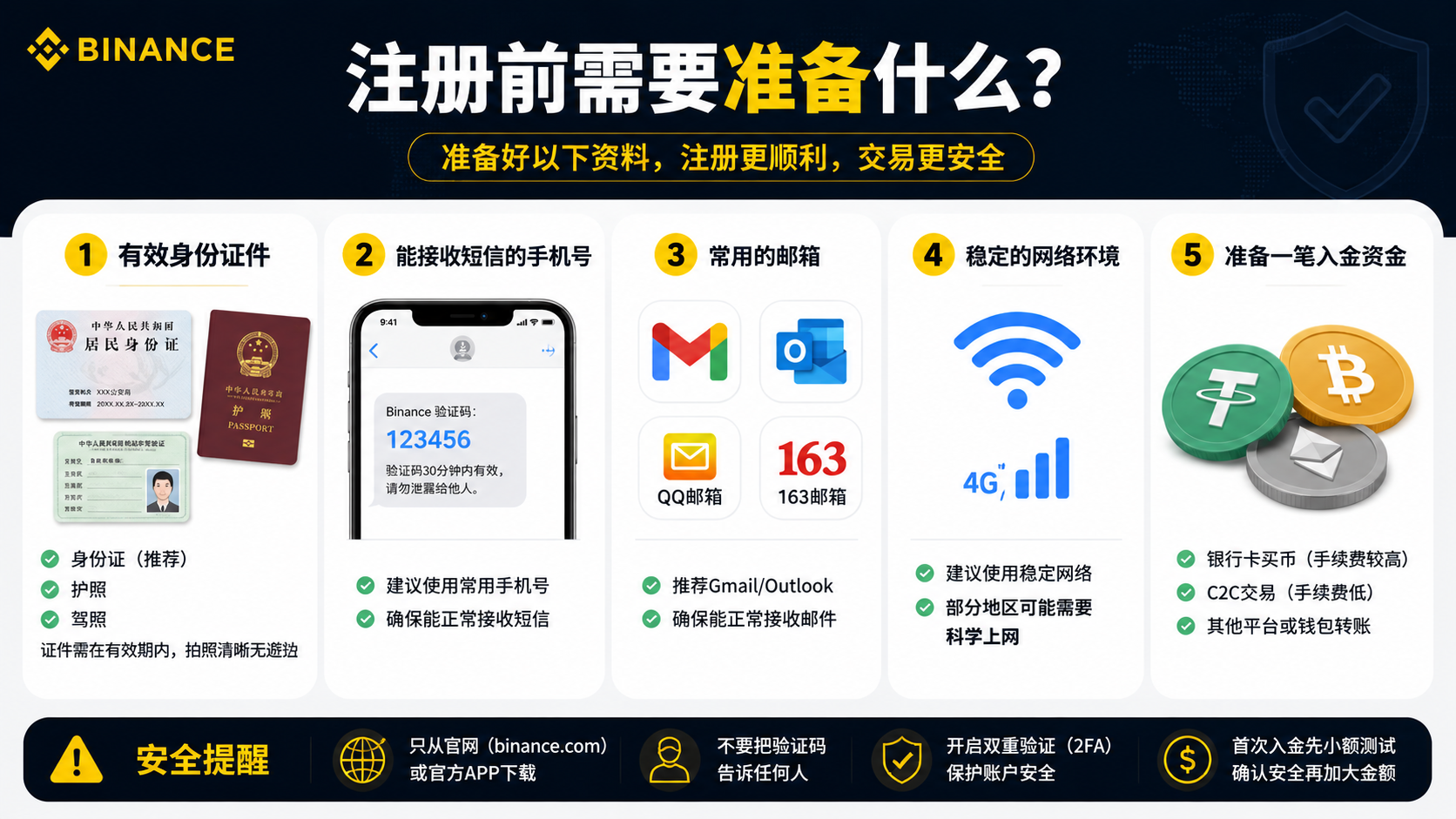
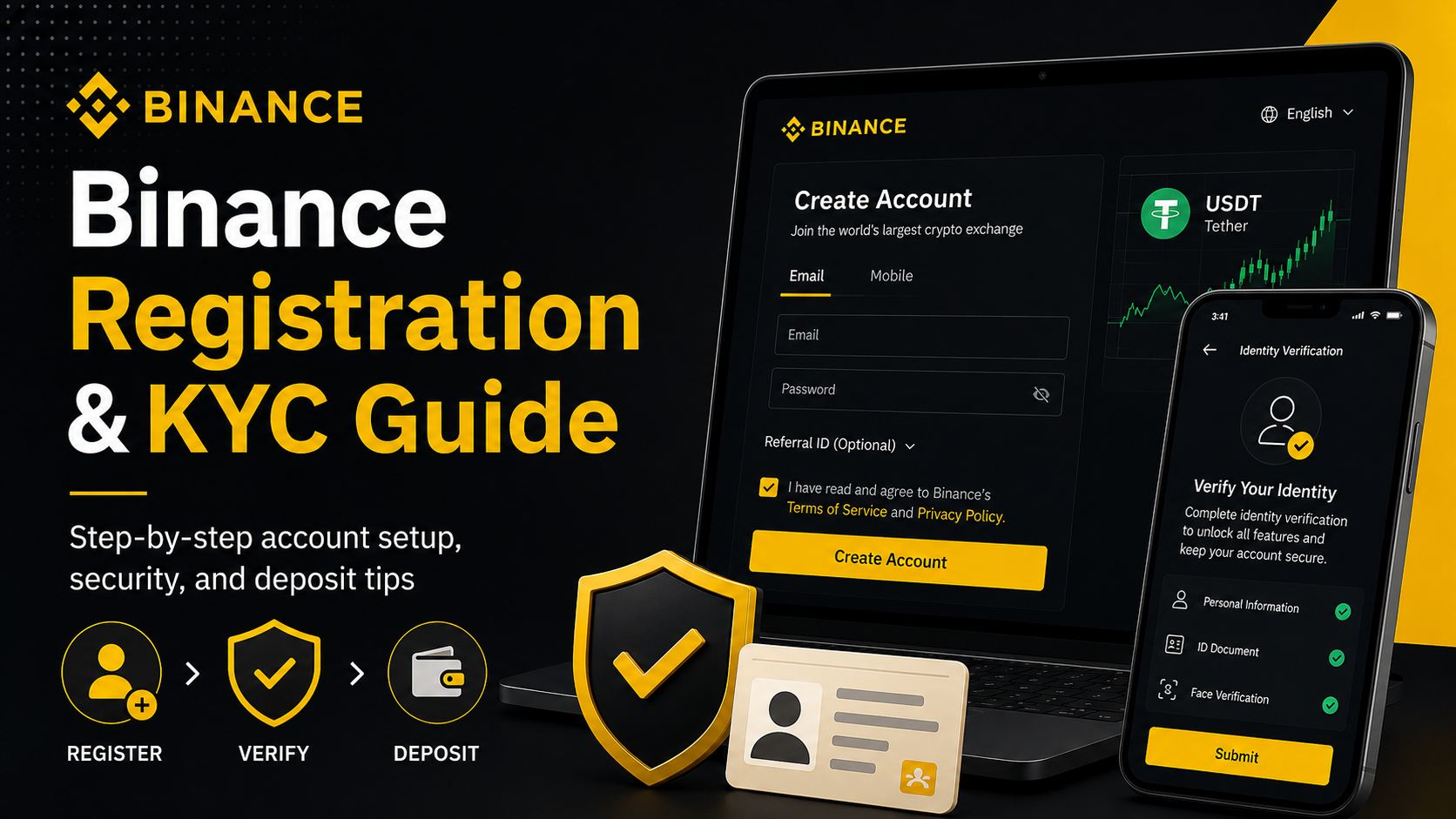
- Binance Registration: Sign Up, KYC & Buy Crypto (Bank Card Freeze Guide) — Full flow from account to first crypto, with bank card freeze safety
- OKX Registration Guide: Account Setup & KYC Process — Registration guide for the global Top 3 exchange
- Crypto Deposit & Withdrawal Guide — Learn how to transfer digital assets in and out
Advanced Concepts: Wallets, Stablecoins & Tools
- USDT vs USDC vs DAI: Complete Stablecoin Investment Guide — Differences and risks of three major stablecoins
- Ethereum Smart Contracts Beginner Guide — What are smart contracts and how they work
- Top 10 Essential Crypto Tools 2026 — Must-have tools for price tracking, data analysis, and security
- Best Crypto Price Tracker Apps — Best mobile apps for tracking crypto prices
- CoinMarketCap vs CoinGecko Comparison — Which market data site is better?
Binance Stock Trading
- Binance Stock Trading Guide — Buy US & HK stocks (ADR) with USDC
- Binance NVDA Trading Guide — NVIDIA perpetual contract trading
💡 Learning Path: Follow the order “Concept Understanding → Exchange Registration → Buying → Safe Storage → Advanced Concepts” for the best learning experience. Each article is also available in Chinese and Spanish.
Trading Basics & Risk Control
Once you’ve bought your first coins, the next step is understanding trading itself: order types, spot vs futures, and how to manage risk. This section is for beginners ready to start trading.
- Crypto Trading for Beginners 2026 — exchange fee comparison, market/limit/stop-loss orders, spot vs futures, leverage liquidation, and beginner risk rules
- Binance Spot Trading Guide — practical market, limit, and stop-loss orders
- Binance Futures Trading Guide — how contracts and leverage risk work
- Spot vs Futures: What’s the Difference? — spot vs futures at a glance, liquidation mechanics, and which one beginners should start with
- Crypto Trading Fees Explained: Spot vs Futures, Maker vs Taker — fee = notional value × rate; Maker vs Taker, spot charges on trade amount while futures charge on notional value — price in the real cost of every trade
Frequently Asked Questions (FAQ)
How much money do I need to start buying crypto?
Not much at all. You can start buying cryptocurrency on exchanges with as little as a few dozen USDT — see How Much Money Do You Need to Buy Crypto for the First Time? for exact minimums and a first-budget recommendation. We recommend starting with a small amount to practice the process before considering larger investments.
Which exchange should beginners choose?
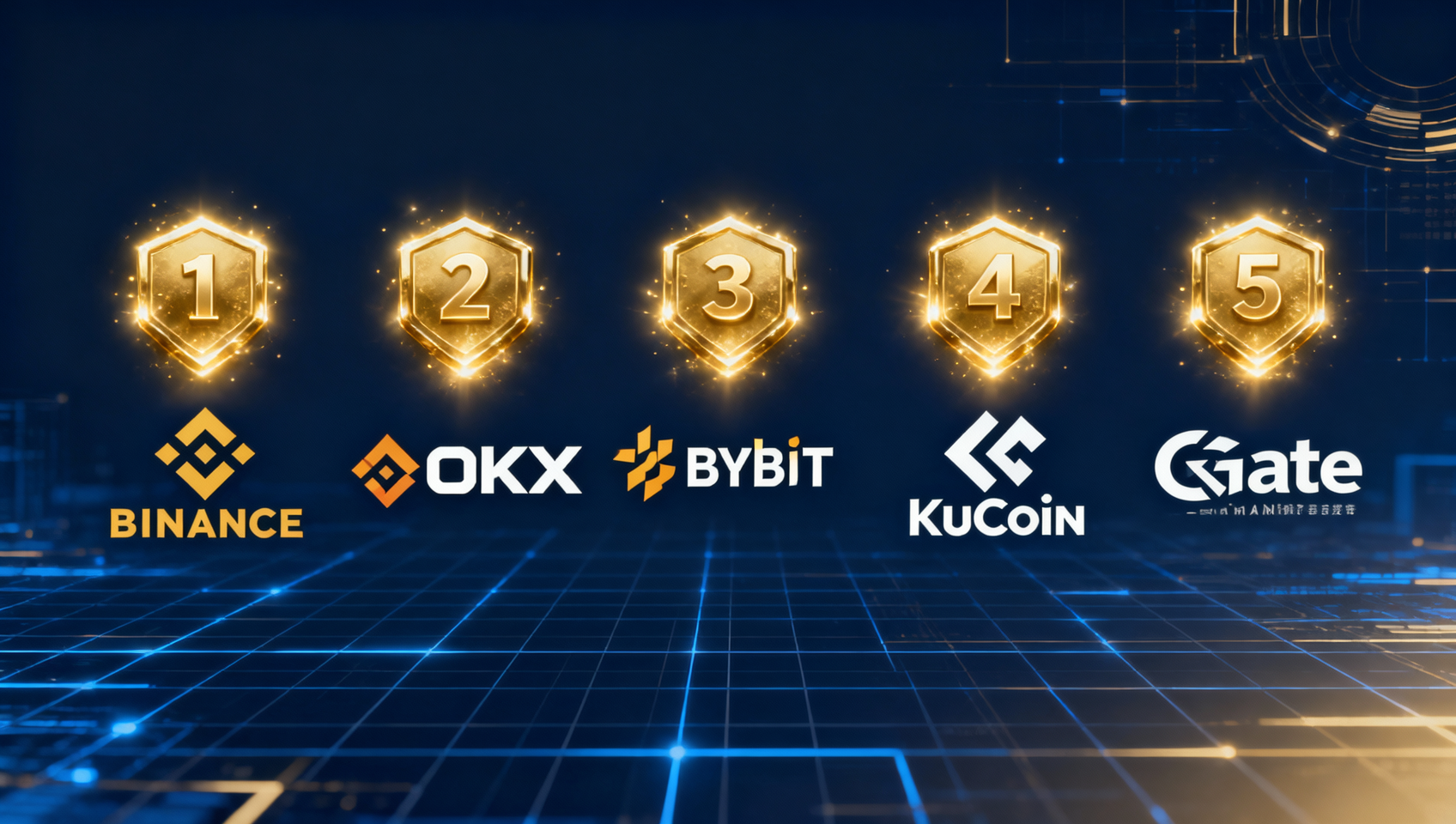
For most users, Binance and OKX are the two most popular choices. Binance has the largest trading volume globally, while OKX stands out with its Web3 wallet and copy trading features. We recommend registering on both and choosing based on your personal experience.
Do I need a hardware wallet?
If your crypto holdings exceed $1000, we strongly recommend purchasing a hardware wallet like Ledger or Trezor. For smaller amounts, you can safely use an exchange account or a hot wallet like MetaMask.
Is cryptocurrency investment safe?
Cryptocurrency itself is secure (built on cryptography and blockchain technology). Risks mainly come from: private key leaks, clicking phishing links, participating in scam projects, and falling for high-yield promises. Most risks can be avoided through systematic learning and cautious operations.
What is KYC and why do I need it?
KYC (Know Your Customer) is the identity verification process required by exchanges for regulatory compliance. Legitimate exchanges require KYC before you can deposit and trade. Always use your own real identity information — never buy or borrow someone else’s account.
更多相关文章
- How to Cash Out Crypto in 2026: Turning USDT into Fiat Without Freezing Your Bank Account — How do you cash out crypto? A frozen bank account usually isn’t caused by cashing out — it’s caused by receiving tainted money. This guide covers the 4 ways to turn USDT into fiat, the two real reasons accounts get frozen, the right way to cash out safely, and what to do if yours is frozen. The core idea: safe cash-out comes from transparency and verified channels, not secrecy.
- What Is Dollar-Cost Averaging (DCA)? 2026 Beginner’s Guide to DCA Bitcoin & Crypto — Dollar-cost averaging (DCA, the average cost method) means buying a fixed amount on a fixed schedule, again and again, so time averages out your buy price and you avoid dumping everything in at the top. This guide explains how DCA works, how it compares to lump-sum investing, how to automate it with Binance Auto-Invest and OKX recurring buy, and what to DCA, how much, and how often — plus a beginner’s mistake checklist.
- What to Do When Your Crypto Keeps Dropping: Stop-Loss or Hold? A Beginner’s Decision Guide (2026) — Your crypto keeps dropping — should you sell now or hold for the rebound? This guide gives you a decision framework instead of a slogan. First figure out which kind of drop you’re in: a market-wide correction, a coin-specific problem, or a bad entry. Then decide stop-loss vs hold against three tests: is your original thesis still intact, is this money you can afford to lose, and what’s your time horizon. Includes the asymmetric recovery table (a 50% drop needs a 100% gain to break even), how to set a stop-loss before you buy, when dollar-cost averaging is smart vs when it’s doubling down on a mistake, and the 3 emotional mistakes beginners make in a drawdown. Bottom line: don’t decide in panic — check whether your original reason for buying still holds, and let that rule the decision, not the size of the loss.
- Blockchain Basics Simplified — Explains what blockchain is in the simplest terms and why it can change the future of finance. Covers distributed ledger technology, consensus mechanisms, smart contracts, and real-world applications beyond cryptocurrency. Perfect for absolute beginners.